
Even if the Strait of Hormuz reopens tomorrow, the damage will not undo itself overnight. That is the message from the head of the World Bank.
World Bank President Ajay Banga, speaking to CNBC’s Karen Tso at the IMF spring meeting on April 15, said countries affected by the Iran war should brace for months of disruption even after shipping routes are restored. “It’ll still take a few months for things to come back to where they were,” he said.
“So we have to prepare for a few months of some destabilization for these countries,” Banga added.
What the World Bank is preparing financially
Banga said the World Bank has built a three-phase crisis response plan he described as a “war chest.” The first phase is already available. “Thanks to our crisis toolkit, our countries can get about $20 to $25 billion immediate access, like literally tomorrow morning, without new approvals,” he said.
MoreEconomy:
- Goldman Sachs resets oil-price bets as war rages on
- How Fed meeting impacts mortgage rates, housing market
- IMF drops blunt warning on US economy
If the conflict drags on for five or six months, that figure could scale up to approximately $60 billion, according to CNBC. For context, Banga noted the bank only “put $70 billion to work” during the entire Covid-19 pandemic.
The crisis toolkit allows countries to tap previously approved but not yet disbursed funds without additional board approvals, increasing response speed, according to NewSX. The World Bank is already in discussions with developing countries, including small island states with no natural energy resources, about activating those programs, according to NewSX.
Why the Strait of Hormuz matters so much
The Strait carries roughly 20% of the world’s daily oil supply, with approximately 20 million barrels transiting its two unidirectional sea lanes every day, according to the Atlantic Council. In 2024, 84% of crude shipments through the Strait were destined for Asian markets. China alone receives a third of its oil that way, according to the Atlantic Council.
Europe gets 12% to 14% of its liquefied natural gas from Qatar through the Strait. Up to 30% of internationally traded fertilizers also move through it, making disruptions felt well beyond energy markets and into food supply chains, according to the Atlantic Council.
Since the Strait’s closure, oil prices have surged more than 20% and European gas prices have risen more than 60%, according to the Atlantic Council. The IMF separately slashed its 2026 global growth forecast to 3.1%, down from the 3.4% projected in January, citing the conflict’s supply shock, according to the Atlantic Council.
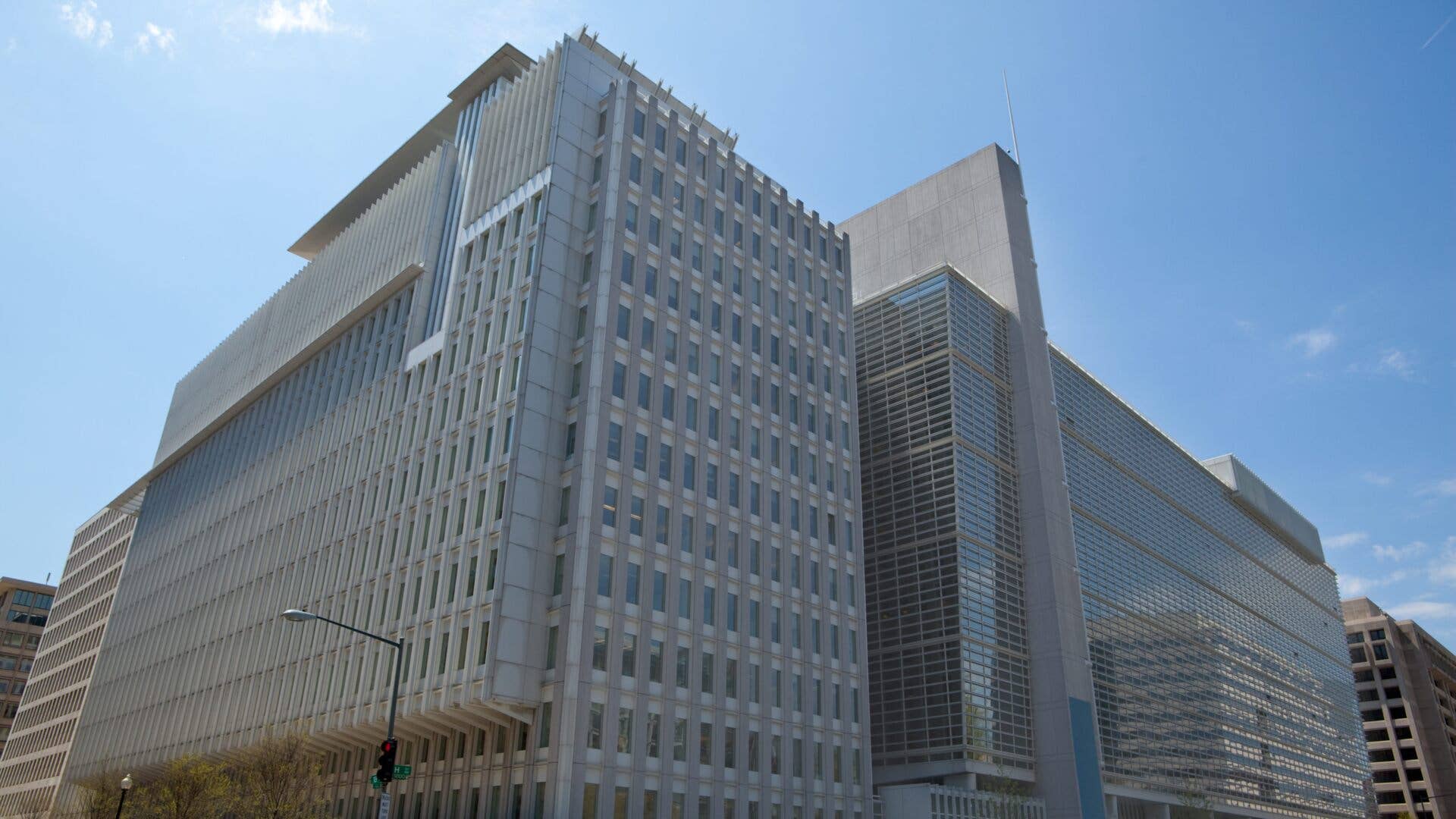
Qingwa/Getty Images
Banga’s warning on inflation and energy subsidies
Beyond the funding response, Banga offered direct policy guidance to affected countries. He said the priority must be inflation, not growth. “Make sure you get the inflation under control before you start worrying too much about getting back into worrying about the growth side,” he said, according to CNBC.
He also cautioned governments against setting up energy subsidies they cannot sustain. Countries should be “careful” not to “put your country into an even bigger problem downstream” while trying to cushion the energy shock, he said, according to NewSX.
On the question of whether the ceasefire leads to anything lasting, Banga was direct. “The question really is, does this current peace and the negotiations that are going to be happening this weekend will this lead to a lasting peace and then a reopening of the Strait?” he said, according to NewSX. If conflict resumes, he warned the impact on energy infrastructure could be even larger or longer-lasting than what has already occurred.
Key figures from Banga’s IMF spring meeting remarks:
- Immediate World Bank crisis funding available: $20 to $25 billion, according to CNBC
- Potential funding if conflict lasts five to six months: up to $60 billion, according to CNBC
- World Bank total deployed during Covid-19 pandemic: $70 billion, according to CNBC
- Share of global daily oil supply through the Strait: approximately 20%, according to Atlantic Council
- Daily oil volume through the Strait: approximately 20 million barrels, according to Atlantic Council
- Oil price increase since Strait closure: more than 20%, according to Atlantic Council
- European gas price increase since Strait closure: more than 60%, according to Atlantic Council
- IMF 2026 global growth forecast: 3.1%, down from 3.4% in January, according to Atlantic Council
- Share of internationally traded fertilizers through the Strait: up to 30%, according to Atlantic Council
What this means for investors and markets
Banga’s comments land as markets are already absorbing the Strait’s disruption. The combination of higher energy prices, slower global growth, and supply chain pressure across oil, gas, and fertilizers is a headwind for both emerging markets and developed economies that depend on stable commodity flows.
His signal that even a ceasefire does not mean a quick return to normal is significant for investors pricing in a recovery. Supply chains and inventories do not reset on the day shipping resumes. The World Bank’s three-phase funding plan suggests the institution expects the adjustment period to be measured in months, not weeks.
Related: Iran talks collapse as Strait of Hormuz closed, oil prices react
