
On May 23, President Donald Trump said a deal with Iran had been “largely negotiated” and details would be announced shortly. Markets wanted to believe it.
By May 26, one major Wall Street firm told its clients not to.
What Piper Sandler said about the Strait of Hormuz and oil
Piper Sandler published a note on May 26 telling institutional clients that the Strait of Hormuz will “largely remain shut” for several months, that commercial traffic will not recover to even 50% of pre-crisis levels either next week or next month, and that oil prices will hit new highs this summer as a result, according to CNBC.
The note also said the U.S. has been “unwilling to press the fight” because the scale of Iran’s potential retaliation could have broader implications for its neighbors and further disrupt global supply chains, CNBC confirmed.
More Oil and Gas:
- Early Chevron stock investors now earn 12.1% dividend yield
- Chevron, Shell ink more surprising Venezuela deals
- AAA gas prices reveal a new trend for Americans
Iran’s foreign ministry has said navigation through the vital shipping channel “will have costs.”
The U.S. military conducted what it described as “self-defense strikes” in southern Iran, targeting missile launch sites and vessels placing mines around the Strait. The situation remains active.
Why oil prices bounced back and what the Strait of Hormuz data show
West Texas Intermediate futures had been falling since Friday, May 22, on hopes that President Trump’s deal comments could lead to a rapid reopening. They bounced back on May 26 as Piper Sandler’s note circulated and mixed messaging from Washington and Tehran made the optimistic scenario look less credible.
Piper Sandler’s core argument is that Iranian leaders believe they still hold leverage and are unlikely to compromise quickly. If true, it means the market has been pricing in a resolution the firm does not think is coming.
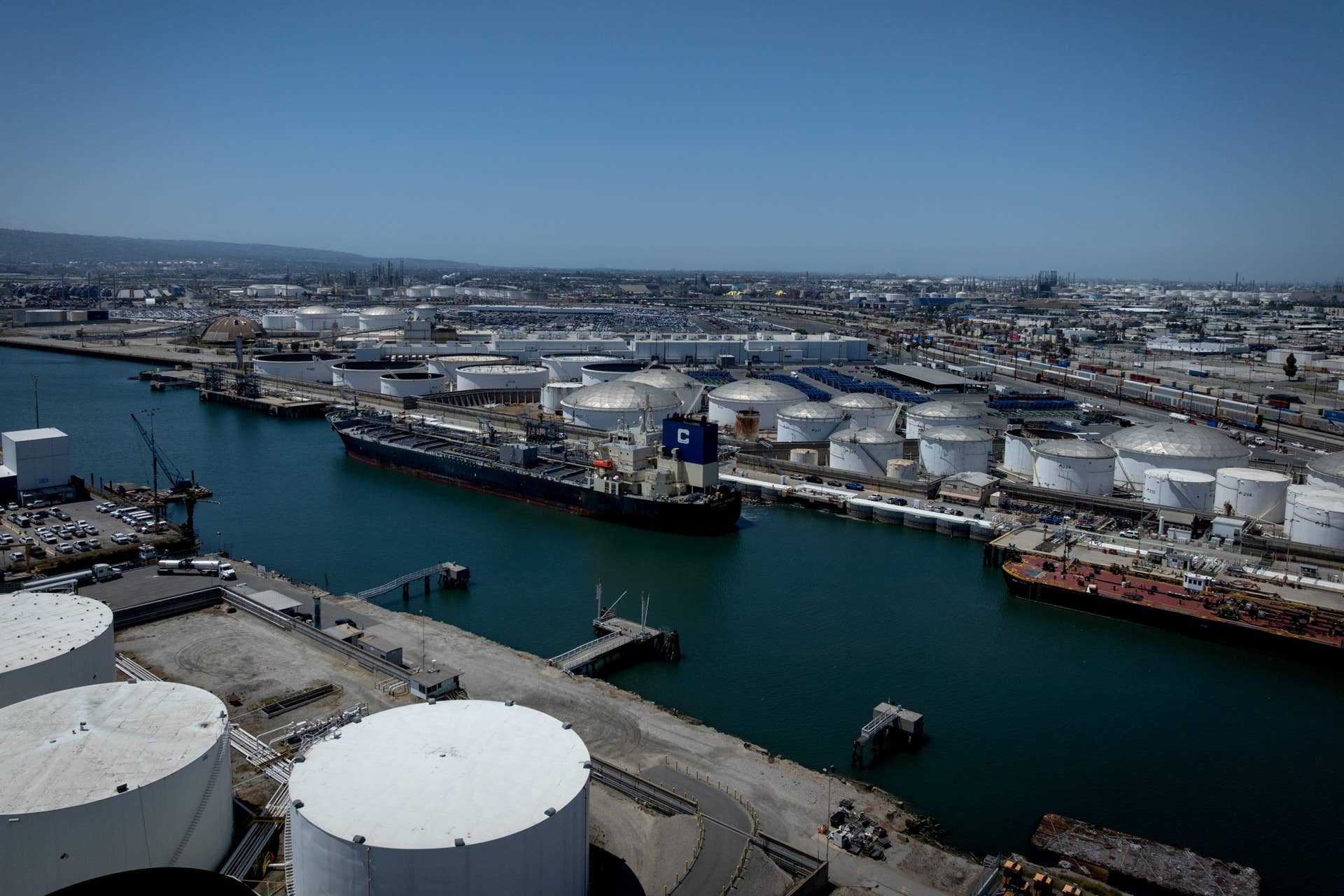 The Strait of Hormuz is the world’s most critical energy chokepoint at the moment.
Thayer/Getty Images
What the Strait of Hormuz closure means for global oil supply
The Strait of Hormuz is the world’s most critical energy chokepoint. Roughly 20% of global petroleum liquids consumption transited the Strait in 2022, according to the EIA. Around one-fifth of global LNG trade also moved through it.
The disruption is already forcing vessels to reroute around the Cape of Good Hope, adding approximately 10 to 14 days to standard transit times from the Persian Gulf to European and North American ports, according to Time.News.
There are partial workarounds. Saudi Arabia and the UAE have pipelines that bypass the strait with approximately 3.5 million barrels per day of effective unused capacity, the EIA confirmed. The IEA also released more than 400 million barrels from emergency stockpiles after the closure began, according to Brookings.
But those buffers have limits. Brookings noted that the supply shortfall will build in coming months as temporary reserves are depleted.
Piper Sandler’s timeline of several more months of closure would exhaust those cushions well before any resolution arrives.
Key figures on the Hormuz closure and Piper Sandler’s outlook:
- Piper Sandler call: Strait of Hormuz will “largely remain shut” for months; commercial traffic is not expected to return to even 50% of pre-crisis levels, according to CNBC.
- Oil outlook: Prices are expected to hit new highs this summer if commercial traffic does not recover, CNBC confirmed.
- Strait significance: Approximately 20% of global petroleum liquids consumption transited in 2022; roughly one-fifth of global LNG trade also moved through the waterway, according to the EIA.
- Bypass capacity: Saudi and UAE pipelines offer approximately 3.5 million barrels per day of spare capacity, EIA confirmed.
- Emergency release: IEA released more than 400 million barrels from government stockpiles after the closure began, according to Brookings.
- Rerouting impact: The Cape of Good Hope diversion adds 10 to 14 days to transit times from the Persian Gulf to European and North American ports, according to Time.News.
- Pentagon assessment: Internal analysis warned the Strait could remain closed for six months or more, according to MEXC.
What a prolonged Strait of Hormuz closure means for oil prices and inflation
Higher oil prices do not stay contained in energy markets. They feed into airline costs, logistics, manufacturing inputs, and consumer spending. If Piper Sandler is right and the Strait stays largely closed through summer, the inflationary pressure from energy alone could force central banks to reconsider the pace of rate cuts.
That makes this more than an oil story. The interaction between supply disruption, energy inflation, and central bank policy is one of the most important variables shaping the second half of 2026.
Piper Sandler is not alone in flagging the risk. The Pentagon’s own internal assessment warned the closure could last six months or more. Brookings described the supply shortfall as building over time rather than resolving quickly.
The convergence of those views makes the optimistic deal scenario harder to lean on as a base case for oil price forecasts.