
The Food and Drug Administration issues a food recall at least once a week.
Sometimes the recalls are voluntary, and sometimes they are mandatory.
Voluntary recalls happen when the food manufacturer or distributor realizes a product has been mislabeled or potentially contaminated and could cause illness or possible death.
A mandatory recall happens when the FDA determines that “the use or exposure to such food will cause serious adverse health consequences to humans or animals.”
That is the case with one of the most recent recalls. The latest food recall is associated with foods manufactured by FreshRealm and sold in a variety of products at Walmart, Kroger, and Trader Joe’s.
The ready-to-eat products are potentially contaminated with listeria, and so far 19 people have been hospitalized and four have died after allegedly eating the products.
The recall has expanded to 15 states.
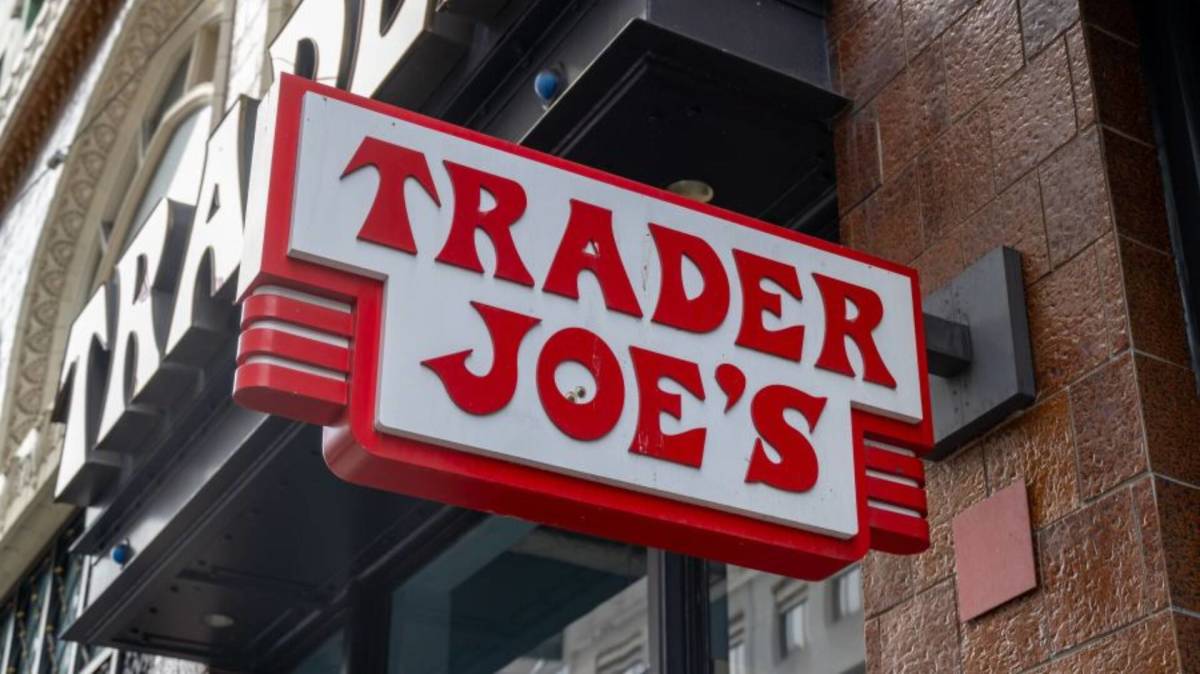 Trader Joe’s was selling a product involved in a deadly recall.
Image source: Smith Collection/Gado/Getty Images
The Trader Joe’s product in the latest deadly recall
- Trader Joe’s: Trader Joe’s Cajun Style Blackened Chicken Breast Fettucine Alfredo
- “Best if used by” dates: 9/20/2025, 9/24/2025, and 9/27/2025.
- The product is sold in Arizona, California, Nevada, New Mexico, and Utah.
Walmart and Kroger also sell a product affected by this recall:
- Walmart: Marketside Chicken Fettuccine Alfredo Meals, Marketside Linguine with Beef Meatballs & Marinara Sauce.
- Kroger: Home Chef Chicken Fettuccine Alfredo Meals
Related: Walmart issues urgent recall for popular food product
The Centers for Disease Control says that while the products linked to the recall are no longer available for sale, they could be in consumers’ fridges or freezers.
The recalled products should be thrown away or returned to the place of purchase. The CDC also urges consumers to clean their refrigerator, containers, and surfaces that may have touched the affected foods.
Risks of listeria contamination
Listeria is a type of bacteria that can contaminate food and surfaces and cause illness.
It thrives even in cooler temperatures such as refrigerated storage. This makes it especially troublesome, since it can grow quickly on foods like lunch meats, hot dogs, smoked seafood, chicken salad, ham salad, etc.
Eating food contaminated with listeria can cause an illness called listeriosis that can be very dangerous for certain groups of people.
Related: Kroger recalls ‘radioactive’ food sold in stores in 31 states
People who are 65 or older or who have weakened immune systems can get very sick or die from listeriosis.
Pregnant women are also at risk of miscarriage, stillbirth, premature delivery, or life-threatening infection of the newborn.
Symptoms of listeriosis include fever, muscle aches, headache, stiff neck, confusion, loss of balance, and convulsions.
Foods affected by listeria
- Deli meats and hot dogs that haven’t been heated to an internal temperature of 165 degrees Fahrenheit
- Refrigerated smoked seafood that isn’t canned, shelf-stable, or fully cooked
- Sprouts that are not fully cooked
- Any soft cheeses that aren’t made with pasteurized milk
- Raw (unpasteurized) milk
The USDA warns that listeria can live in containers and on surfaces that may have come into contact with the contaminated food and can spread to other foods and surfaces. Consumers should clean containers and surfaces with bleach or hydrogen peroxide.
“The danger lies in the fact that a surface may appear clean, yet resistant bacteria can still be hiding in cracks and corners,” Senior Researcher at the DTU National Food Institute Pimlapas Shinny Leekitcharoenphon said in a report.
Causes of food recalls
In 2024, the FDA recalled 422 foods, costing companies $1.92 billion in direct expenses, according to an analysis by New Food.
On average, a recall costs a company around $10 million. Of 2024 food recalls:
- 45.5% were due to labeling errors.
- 14.69% were related to listeria.
- 9.95% involved salmonella.
- 8.77% were related to foreign objects such as shards of glass.
- 2.61% were due to E. coli.
Related: Costco issues urgent recall on major Kirkland product