
Assurances from European Union leaders prompted the latest extension of U.S. tariffs to that region after President Donald Trump said there appeared to be goodwill from all parties to work on a less-extreme agreement with a shortened timeline.
But the whipsaw trade policies that the Trump Administration has launched since his inauguration have reaped dizzying prices on the markets and an unstable bond market as proposed tariffs on everything from French chocolates to Scandinavian pharmaceuticals close down supply chains and consumer wallets.
Small businesses and their advocates have been especially vocal about the tariff situation, claiming that the harsh policy is not only squeezing margins but may lead to shutting down their firms completely.
Experts say President Trump’s threat of 50% European Union tariffs could make U.S. manufacturing even more difficult by raising the price of key industrial imports.
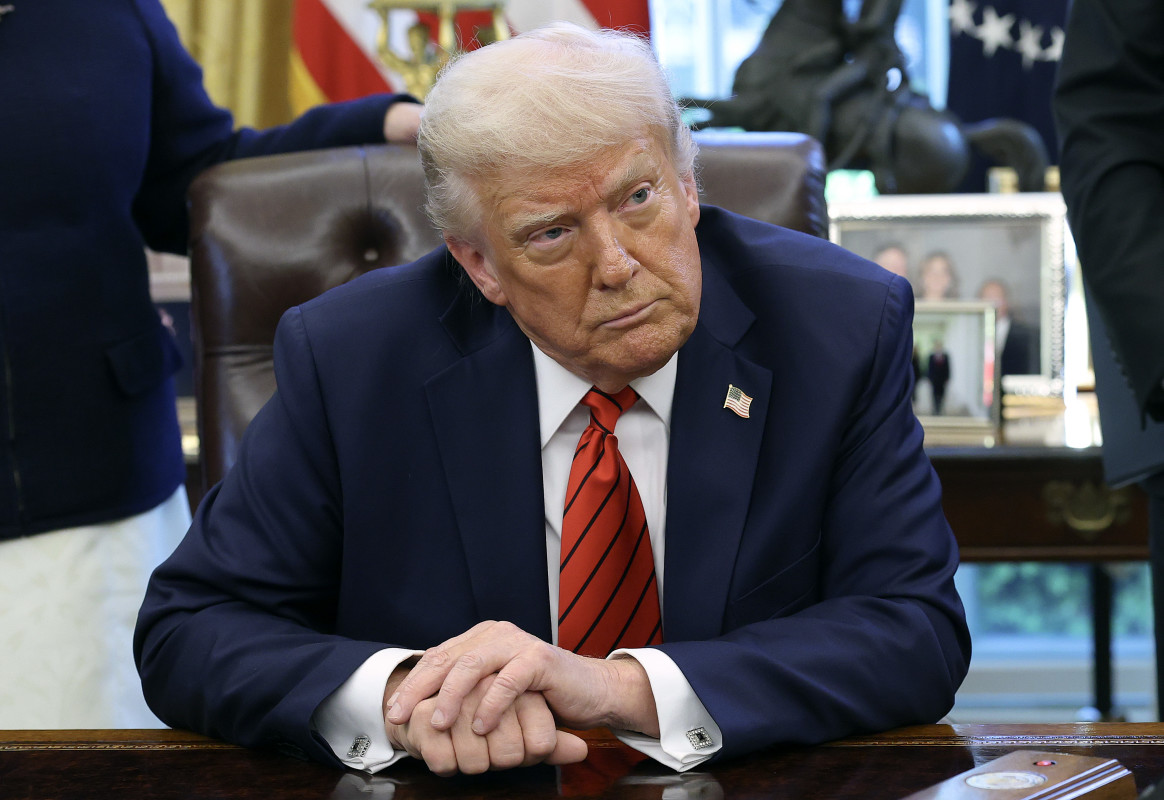 President Trump is delaying 50% tariffs on the EU until July.
Image source: Win McNamee/Getty Images
New EU tariff extensions in effect
Trump said on May 25 that he had postponed the EU tariffs from a June 1 start date after a promising phone call from the president of the European Commission, who asked for the extensions.
President Ursula von der Leyen requested a delay so all sides could continue negotiating the proposed 50% tariffs that Trump demanded a few days earlier.
Given all the serious trade discussions between the two parties, it appears that at least a sizable number of the 27 member states in the European Commission sought to soften their rigid stances on the proposed talks.
Von der Leyen described the phone conversation with Trump as a “good call,” and the American president told reporters it was a “very nice call.”
“The E.U. and U.S. share the world’s most consequential and close trade relationship. Europe is ready to advance talks swiftly and decisively. To reach a good deal, we would need the time until July 9,” said von der Leyen in a post on X.
What’s next for EU tariff discussions
The European Commission and the Trump administration now have 44 days to reach an agreement on the tariffs since Trump pushed the deadline forward to July 9.
That was the deadline for these trade talks before Trump, in a burst of frustration, pushed them back on May 23 before restoring the original timeline two days later. He quoted von der Leyen saying she “wants to get down to serious negotiations.”
U.S. futures jumped and Asian shares mostly fell on May 26 after Trump’s announcement. Other regional markets were mostly lower.
In Europe, the STOXX 600 was up 0.8 percent and Germany’s DAX rose 1.3 percent. The German 10-year Bund yield climbed by three basis points to 2.601 from 2.572 percent, and the yield on the 10-year Treasury was flat at 4.518 percent.
U.S. markets were closed due to the Memorial Day holiday. But on the Friday before, U.S. stocks dropped as traders and market experts weighed whether Trump’s latest round of threats were simply more negotiating ploys.
Related: Billionaire fund manager’s message on trade deficit may shock you