
Making the United States State Department’s “do not travel” list sort of counts as the Oscar, Grammy, or Emmy of dangerous place designations. Generally a country only gets put on this list when it’s truly dangerous for Americans to go there.
In most cases, a “Level 4: Do Not Travel” warning comes with really strict rules for any Americans in the country on a diplomatic basis. They generally can’t be out at night and have very limited areas they are allowed to travel in.
Related: Las Vegas Strip resort casinos handle new health crisis
That’s the case of the warning in Somalia, which the U.S. State Department just updated. The overall language is very clear.
“Do not travel to Somalia due to crime, terrorism, civil unrest, health, kidnapping, piracy, and lack of availability of routine consular services,” the State Department shared.
It also added specific language for diplomats living in the country.
“Due to security risks, U.S. government employees working in Somalia are prohibited from traveling outside the Mogadishu International Airport complex where the U.S. Embassy is located. The U.S. Embassy in Mogadishu maintains normal staffing,” it added,
Don’t go outside the area which is considered U.S. territory is about as high-level a warning as can be offered. The agency explained in deeper detail about what to be concerned about.
- Crime: Violent crime is common throughout Somalia, including kidnapping and murder. Illegal roadblocks are widespread.
- Terrorism: Terrorists continue to plot kidnappings, bombings, and other attacks in Somalia. They may attack with little or no warning and target:
- Civil Unrest: Protests and demonstrations occur throughout Somalia. They can sometimes turn violent.
-
Health: Medical facilities in Somalia have limited capacity. They are often absent in rural areas.
- Piracy: Pirates are active in the waters off the Horn of Africa, specifically off the coast of Puntland.
- Kidnapping: Violent crime, including kidnapping, is common throughout Somalia. Illegal roadblocks are widespread.
And, if you need help, the U.S. government probably can’t provide it.
Don’t miss the move: SIGN UP for TheStreet’s FREE Daily news
“The U.S. government has extremely limited ability to help U.S. citizens in Somalia. There is no permanent consular officer in Somalia, not even the Somaliland region. If a traveler’s passport is lost, stolen, expires, or if they become destitute, the U.S. government may not be able to help,” the State Department shared.
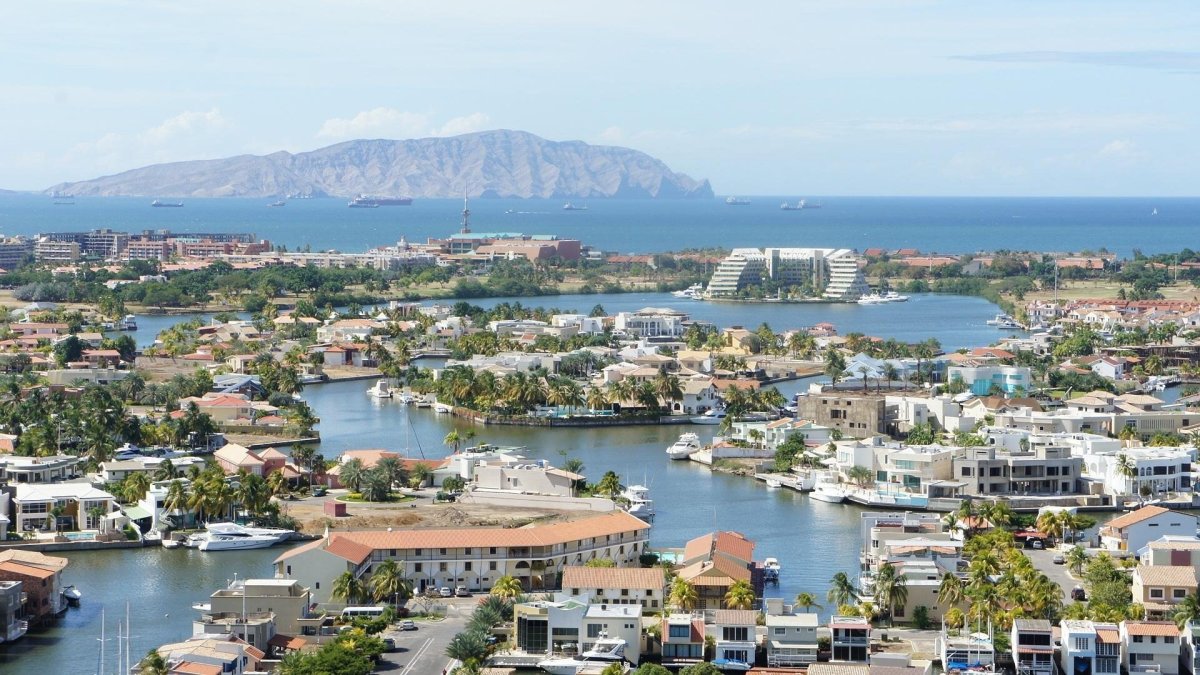 Venezuala is pretty, but dangerous.
Image source: Pixabay
Do not travel to Venezuala
While the U.S. still has personnel in Somalia, that’s not the case for Venezuela.
“In March 2019, the U.S. Department of State withdrew all diplomatic personnel from U.S. Embassy Caracas and suspended operations. All consular services, routine and emergency, remain suspended until further notice. The U.S. government has no ability to provide emergency services or consular assistance to U.S. citizens in Venezuela,” the State Department posted on its website.
The language leaves no room for interpretation.
“Anyone with U.S. citizenship or any other U.S. residency status in Venezuela should leave the country immediately, including those traveling on Venezuelan or other foreign passports. Do not travel to Venezuela for any reason,” it added. T
The website went on to give more detail as to why Americans should leave:
“The Department has determined there is a very high risk of wrongful detention of U.S. nationals in Venezuela. Security forces have detained U.S. citizens for up to five years without respect for due process,” it shared.
In addition, the State Department shared that not only might it not be able to help, it can’t promise that it will even know you are missing.
More on travel:
- United Airlines places big bet on new flights to trendy destination
- Government issues new travel advisory on popular beach destination
- Another country just issued a new visa requirement for visitors
“The U.S. government is not generally informed of the detention of U.S. citizens in Venezuela nor is it permitted to visit U.S. national detainees in Venezuela. The U.S. government has no way to contact U.S. nationals detained in Venezuela, and those detained are not allowed to contact family members or independent legal counsel,” it added.
Basically, the State Department wants Americans to know that Venezuela is not a place to visit.
“Violent crimes, such as homicide, armed robbery, kidnapping, and carjacking, are common in Venezuela…Police and security forces have instituted a brutal crackdown on pro-democracy or anti-regime demonstrations, including the use of tear gas, pepper spray, and rubber bullets against participants, which occasionally devolve into looting and vandalism,” it shared.
Do not travel to Burma (Myanmar)
Burma has been under military rule since a February 2021 coup d’état.
“Protests and demonstrations against military rule can occur on significant dates. The military has responded to those protests with violence and by arbitrarily detaining protesters and bystanders,” the U.S. State Department posted.
It also shared the core reasons to avoid traveling to Burma (Myanmar).
“Do not travel to Burma due to armed conflict, the potential for civil unrest, arbitrary enforcement of local laws, poor health infrastructure, land mines and unexploded ordnance, crime, and wrongful detentions,” it added. “The Department has determined that U.S. nationals are at significant risk of wrongful detention by military regime authorities.”
U.S. personnel working in Burma are generally not allowed to travel.
Related: State Department issues ominous travel warning for two cruise ports
Some American travelers also run the risk of being forced into the Burmese military.
“As of April 2024, the Burma military regime began implementing a military conscription law for males up to age 45 and females up to age 35. The military regime may prevent departure of people they view as eligible for conscription, including U.S. citizens who previously held Burmese nationality, and force them into the military,” the State Department shared.