
These days, it seems like Uber is to transportation what Amazon is to retail.
In its fledgling days, Uber was a glorified car service company, serving customers wanting a classier ride to the airport or business meeting.
💵💰Don’t miss the move: Subscribe to TheStreet’s free daily newsletter💰💵
Over time, Uber evolved into the model consumers recognize today.
The company not only expanded into its current rideshare format, but went beyond the basic concept of shuttling humans from Point A to Point B.
Related: Uber takes aim at Tesla with its newest plan
The introduction of Uber Eats propelled the company into a totally new brand — one that became synonymous with convenience, just as Amazon became synonymous with massive inventory, low online prices, and fast shipping.
And while Uber has clearly managed to snag a good share of the on-demand ride market, the company continues to find ways to grow its customer base.
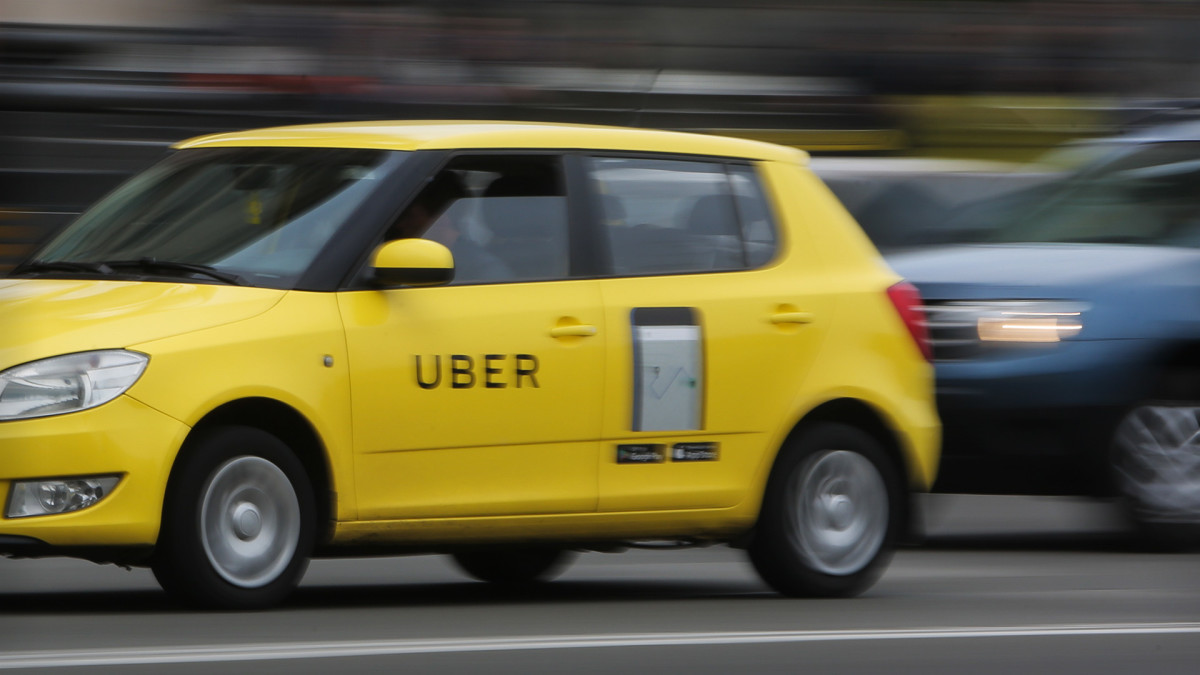 Uber introduces new pricing model consumers will love.
Image source: Sergii Kharchenko/NurPhoto via Getty
High prices keep some customers away from Uber
Uber has long drawn criticism over its surge pricing model. The company is able to use the basic supply-demand relationship to its advantage by tacking on extra costs at times when demand for rides is high and there may not be enough drivers to go around.
Uber uses a proprietary formula to calculate surge prices. It accounts for factors that include special events, weather, and traffic, using hyperlocal data to come up with its numbers.
Related: Detroit automakers warn UK trade deal will hurt US auto industry
Uber says the purpose of surge prices is multifold. It’s meant to lower demand at times when driver availability likely can’t keep up while also incentivizing drivers to be available to passengers.
But critics say that what Uber is doing in these situations is effectively price gouging. And it’s easy to see why.
Uber introduces new budget-friendly pricing model
Surge prices have long kept budget-conscious consumers away from Uber. Aside from the higher prices themselves, some consumers refuse to book a ride with Uber due to the unpredictability of when a higher charge might kick in.
Now, Uber is taking steps to make its services more accessible to passengers on a budget with its new Route Share ride option.
With Route Share, passengers can reach their destinations for up to 50% less than what they’d normally pay for UberX.
Related: Ford loses its last cheap vehicle to tariffs
Passengers booking a ride through Route Share must share a car with up to two other people along predesignated routes.
Route Share offers pickup options along these routes every 20 minutes during typical peak commuting hours — 6 a.m. to 10 a.m. and 4 p.m. to 8 p.m. during the week.
Uber said on its website that with Route Share, passengers can enjoy “the predictability and comfort of Uber for even less.”
Route Share will be rolling out to major cities over time. Initially, it will be available in the following metros:
- New York City
- San Francisco
- Chicago
- Philadelphia
- Dallas
- Boston
- Baltimore
Unlike a traditional door-to-door Uber ride, passengers will have to meet at designated stops. But it can still be a far more convenient and pleasant means of travel than taking the bus.
At a time when inflation is forcing so many consumers to be mindful of their spending, the move is a smart one on Uber’s part.
During Uber’s most recent earnings call, CEO Dara Khosrowshahi said the company was taking steps to accommodate price-conscious riders while boosting usage during peak commuting hours.
If the new Route Share option proves to offer the ease and convenience of a traditional Uber ride at a fraction of the cost, it could be a huge win for the company and passengers alike.