
Uber’s global expansion story is being written in two ways: the autonomous vehicle expansion abroad and the courtroom pressure at home.
On Feb 10, Uber and the Dubai Roads and Transport Authority (RTA) announced the next phase of their global partnership. Under the agreement, they will bring Baidu’s Apollo Go autonomous ride-hailing services to the Uber platform in Dubai.
Expected to become active in the upcoming month, starting with the city of Jumeirah, the deal expands on Dubai’s own goal of “having 25% of all transportation trips be autonomous by 2030.” And Uber, with its partnership with Baidu, is becoming a leader in helping Dubai deliver on its ambitious plans.
This is a significant step in Uber’s multi-year partnership with Baidu, which was first announced on July 15, 2025, when the two tech giants came together to deploy thousands of Baidu’s Apollo Go autonomous vehicles (AVs) on the Uber platform. The first deployment was expected in Asia and the Middle East.
Apollo Go has a large global footprint across 22 cities and, as of October 21, 2025, has completed more than 17 million cumulative rides and logged more than 240 million autonomous kilometers, with over 140 million kilometers in fully driverless mode.
Uber made a strong case for AV expansion, citing extensive reports on market behavior in Atlanta and Austin during its recent Q4 earnings call.
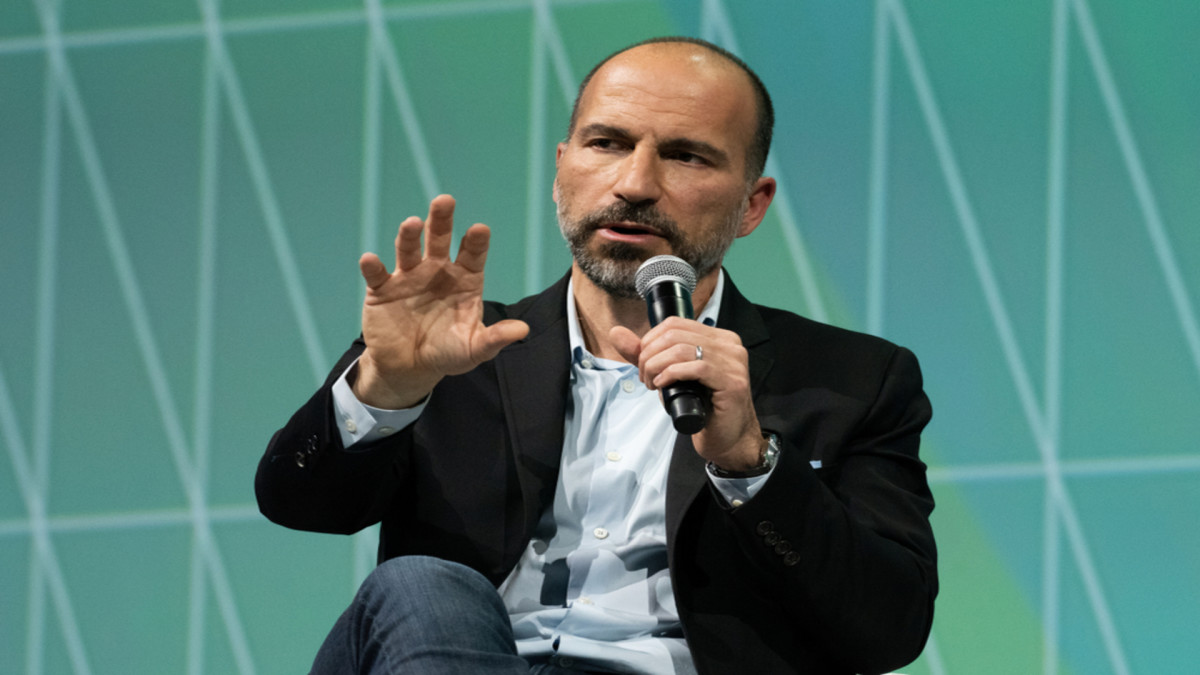 Uber’s stock is down 10% year to date.
Shutterstock
The legal crisis ahead of Uber
Even as Uber markets AVs as its next growth engine, US laws are driving a different debate about the future of this ride-hailing service provider.
On Feb 5, a federal jury in Phoenix, Ari, ordered Uber to pay $8.5 million in compensatory damages to Jaylynn Dean in a 2023 lawsuit. In the lawsuit, Dean, then 19 years old, said that she was sexually assaulted by an Uber driver on her way back to her hotel. She was staying in Tempe studying for flight attendant examinations.
This is an important verdict, as Uber has consistently insisted that its drivers are independent contractors, thereby preventing the company from being held responsible for their misconduct.
The jury rejected this argument and ultimately opened a road map for over 3,000 pending sexual assault and sexual misconduct lawsuits against the company, accusing it of systemic safety failures, the New York Times reported.
More Automotive:
- Tesla investors may miss game-changing move
- Key auto parts and services company files Chapter 11 bankruptcy
- Top-rated analyst drops curt 8-word take on Tesla stock
There are no punitive damages because the jury did not find that the company’s actions caused harm.
Uber has decided to appeal the verdict, believing that the court provided errant instructions to the jury. The lawsuit did not specify the driver’s details, and the company maintains that he has no prior criminal history and a good record.
At such a fragile time, Uber’s plans to expand in the AV sector can be seen as a safety upgrade, reducing the risk of driver misconduct. Meanwhile, raising a different set of questions, such as the “duty of care” in a software-driven vehicle, which is a general contention for AVs.