
Associated above all with Serengeti National Park and the Great Migration in which millions of wildebeest, zebras and gazelles migrate across the vast African grasslands for new grazing grounds, Tanzania has been seeing one of the world’s biggest spikes in tourists who often end up staying longer and exploring other parts of the country.
According to local government statistics, the 5.3 million international visitors who came to the East African nation by April 2025 hit the local tourism board’s targets for the first half of the year two months early.
Back in June, the United Nations named Tanzania the fastest-growing tourist destination in Africa; between 2021 and 2024, the number of international arrivals to the country rose by more than 130% during that time period.
“Members have been arrested, targeted and harassed”: State Department
Even so, English-speaking countries like the United States, the United Kingdom and Canada all keep Tanzania at the higher level three travel advisory. On Oct. 31, the U.S. State Department updated its “reconsider travel” advisory to focus on the fact that “members of the gay and lesbian community have been arrested, targeted, and harassed” over their orientation.
Related: US government warns travelers ‘stopping is not allowed’
Local laws criminalize same-sex sexual relations between men and women with a maximum sentence of life imprisonment and while instances of enforcement of foreign travelers have been rare, the warning draws attention to the fact that this is the law.
“People who identify as gay or lesbian may experience a higher likelihood of being targeted by police,” the advisory reads further. “People detained under suspicion of same-sex sexual conduct may face invasive physical exams.”
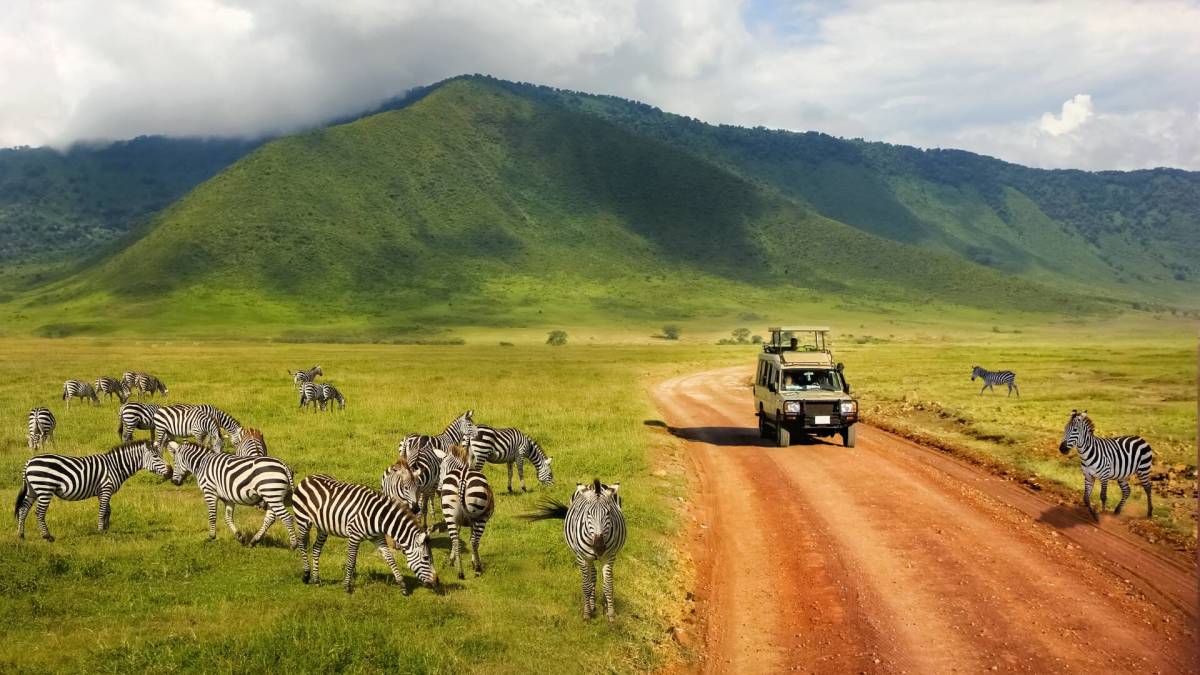 Tanzania is known above all for Serengeti National Park.
Shutterstock
“Unrest, crime, terrorism and targeting of gay and lesbian individuals”
At the level three “reconsider travel” rating, Tanzania sits above most countries where crime may also be common but below the highest “do not travel” level typically reserved for authoritarian governments and active war zones. The latest advisory was not a significant change of situation but a tweaking on certain sections on crime, unrest and LGBTQ+ laws.
“Reconsider travel to Tanzania due to unrest, crime, terrorism, and targeting of gay and lesbian individuals,” the advisory reads. “Some areas have increased risk.”
More on travel:
- Major airline launches surprising flight between Las Vegas and Paris
- United Airlines CEO gives stark warning on Olympic Games
- The highest rooftop in Barcelona is in a surprising place
- US government issues sudden warning on Switzerland travel
The areas in question include the Mtwara administrative region in the southeastern part of the country over attacks from extremist groups over the last five years.
“Demonstrations often take place in response to political or economic issues,” the section on the civil situation reads as well. “They may also occur on holidays or during large events. Demonstrations can be unpredictable. The Tanzanian government increases security presence around protests. This includes stationary checkpoints and roadblocks.”
Those who do travel to Tanzania are advised to stay up to the date with local media on breaking news and stay alert in popular tourist areas and crowds. The rising tourist numbers show that the majority of travelers who go to Tanzania return without issues but the similar advisories issued by the governments of the United States, the United Kingdom and Canada show that LGBTQ+ travelers face specific risks that may make them less comfortable going to what to many is a dream destination.
“Avoid public displays of affection particularly between same-sex couples,” the section specifically tailored to LGBTQ+ travelers reads.
Related: International airline shutting down, all flights canceled