
Over the past few months, Verizon (VZ) has been in hot water over its controversial plan to make it harder for customers to cut ties with the company.
When Verizon purchased licenses to use 700MHz spectrum in 2008 and acquired TracFone in 2021, it was forced to adhere to a rule that requires it to automatically unlock a phone it sells to a customer after 60 days, which gives that customer the ability to use that device on another phone carrier’s network.
💵💰Don’t miss the move: Subscribe to TheStreet’s free daily newsletter 💰💵
However, in May, Verizon submitted a request to the Federal Communications Commission to waive this requirement, arguing that the rule contributes to fraud.
Related: T-Mobile announces generous offer for conflicted customers
“Recent industry experience shows that even a lock of 60 days does not deter device fraud – a huge and growing problem in the United States — and instead enables trafficking in devices that are illicitly sent to foreign marketplaces,” said Verizon in the request. “This is why the industry standard for providers not subject to the Unlocking Rule is a minimum of 6 months or longer.”
Verizon also said that unlocking phones after 60 days makes devices less affordable for low-income customers.
“Waiving this rule will benefit consumers because it will allow Verizon to continue offering subsidies and other mechanisms to make phones more affordable, lower upfront costs, and enable customers to obtain the latest and most innovative devices,” said Verizon.
In response to this request, consumers submitted FCC filings arguing that Verizon’s push to keep phones locked longer than 60 days is anti-consumer behavior that could limit customers’ access to cheaper services.
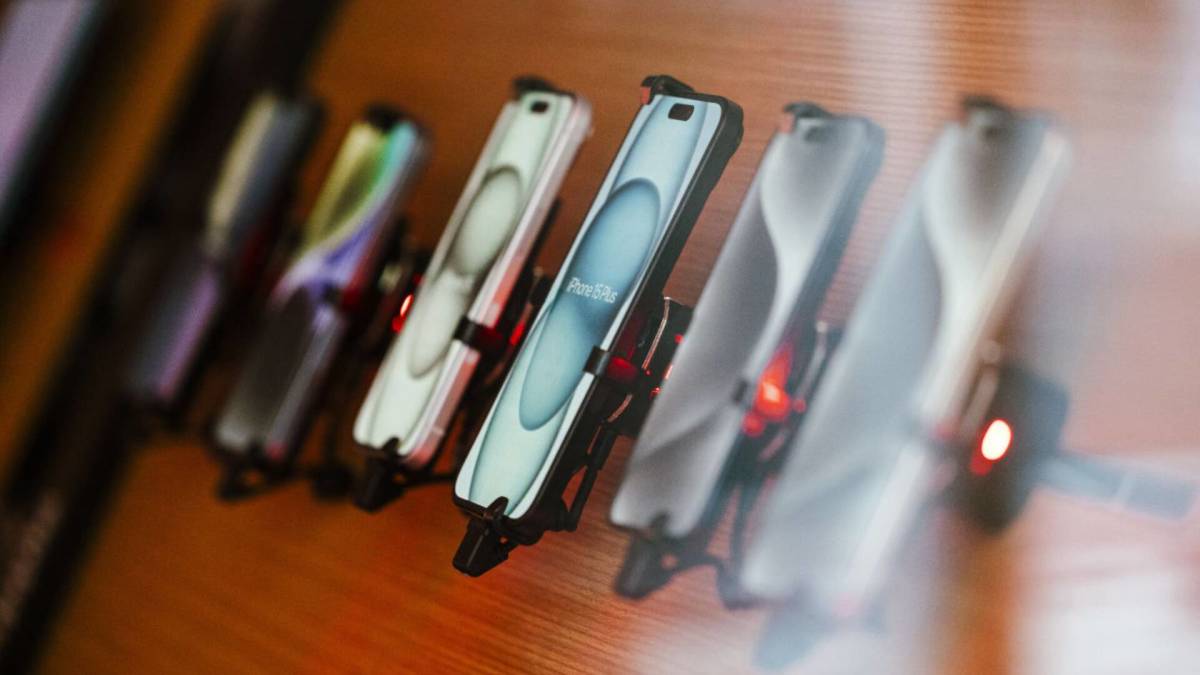 Verizon has argued that unlocking phones after 60 days makes devices less affordable for low-income customers.
Image source: Mordant/Bloomberg via Getty Images
Verizon’s plan gets unexpected response from major competitor
In addition to consumer opposition, Verizon is also facing some disagreement from telecom giant Dish Network (also known as EchoStar), which owns Boost Mobile. Currently, Dish has a one-year locking policy on most of its prepaid devices.
In an FCC filing, Dish agrees with Verizon that phone unlocking rules have created a landscape that “harms competition and consumers.” However, it claims that Verizon shouldn’t be able to create its own phone unlocking rules; instead, one should be created that would apply to all phone carriers.
“As EchoStar previously explained, a uniform, industry-wide unlocking rule will relieve consumers of the burden of navigating the various unlocking requirements currently imposed by carriers, making it easier to switch providers and enhancing competition in the wireless market to the benefit of all consumers,” said Dish in the filing.
Dish emphasized that having different phone unlocking policies creates “confusion that may prevent a consumer from switching providers.”
Related: Verizon’s move to slow down fleeing customers raises alarm bells
Last year, then-FCC Chair Jessica Rosenworcel submitted a proposal that aims to require all phone providers to unlock phones after 60 days.
“Real competition benefits from transparency and consistency,” said Rosenworcel in the proposal. “That is why we are proposing clear, nationwide mobile phone unlocking rules. When you buy a phone, you should have the freedom to decide when to change service to the carrier you want and not have the device you own stuck by practices that prevent you from making that choice.”
Dish urges the FCC to continue down this path, claiming that this push will make it easier for the commission to update phone unlocking rules.
“By adopting an industry-wide requirement, the Commission can effectively delete the carrier-specific obligations on its books,” said Dish in the filing. “That will allow it to streamline its rules, update them for the modern era, and encourage competition.”
Verizon is suffering from drastic change in customer behavior
Verizon’s push to keep phones locked for longer than 60 days comes during a time when it is struggling to slow down fleeing customers after it issued a series of price hikes over the past year.
In Verizon’s second-quarter earnings report for 2025, it revealed that it lost 51,000 postpaid phone customers during the quarter. Its wireless postpaid phone churn (the number of customers who ended phone service) remained at 0.9% compared to the previous quarter.
More Retail:
- Costco quietly plans to offer a convenient service for customers
- T-Mobile pulls the plug on generous offer, angering customers
- AT&T makes generous offer to older customers
The startling customer loss comes after Verizon rolled out new deals and perks for customers earlier this year.
During an earnings call on July 21, Verizon CEO Hans Vestberg said that increased competition and recent price increases contributed to the recent loss of customers.
“The wireless market remains competitive, and we continue to take a strategic approach,” said Vestberg. “As expected, postpaid churn remained elevated this quarter, reflecting the lingering effects of our pricing actions and ongoing pressure from federal government accounts.”
The company said it will be doubling down on customer loyalty and retention going forward to prevent more customers from leaving.