
Viral baked goods, even ones from a company named “Best Cookie Shop” by USA Today, have proven to be a challenging business.
Crumbl Cookies, the unquestioned leader in the cookie cafe space, has struggled after a period of explosive growth. In addition, Taylor Chip, a cookie brand that operates cafes in the Philadelphia area, filed for Chapter 11 bankruptcy in Feb. and closed some of its stores.
Now, for many of the sames reasons challenging its rivals in the cookie market, Please & Thank You, which is known for its chocolate chip cookies, specialty coffee, and other baked goods has filed for Chapter 11 bankruptcy.
Please & Thank You files for Chapter 11 protection
Please & Thank You operates eight cafe locations in Kentucky and Indiana, while shipping cookies nationwide on a retail business, as well as selling them to wholesale customers.
The Louisville-based cookie and coffee chain notified investors that it is seeking Chapter 11 bankruptcy protection, saying the restructuring process is intended to keep operations running while the company pursues a sale, new ownership, or other turnaround options.
Its stores have remained open and the company has not acknowledged the filing, which can be found on PacerMonitor, on its website or social media pages.
The chain filed for Chapter 11 bankruptcy on June. Its filing included the customary “Motion to Use Cash Collateral” to pay workers, vendors, and other bills.
U.S. Trustee Jamie Harris filed a motion objecting to Please & Thank You accessing it cash collateral as the company requested.
On June 1, the company releases its new monthly menu on its web page.
Please & Thank You had a national profile despite being a regional brand because some of its cookie design have gone viral on social media.
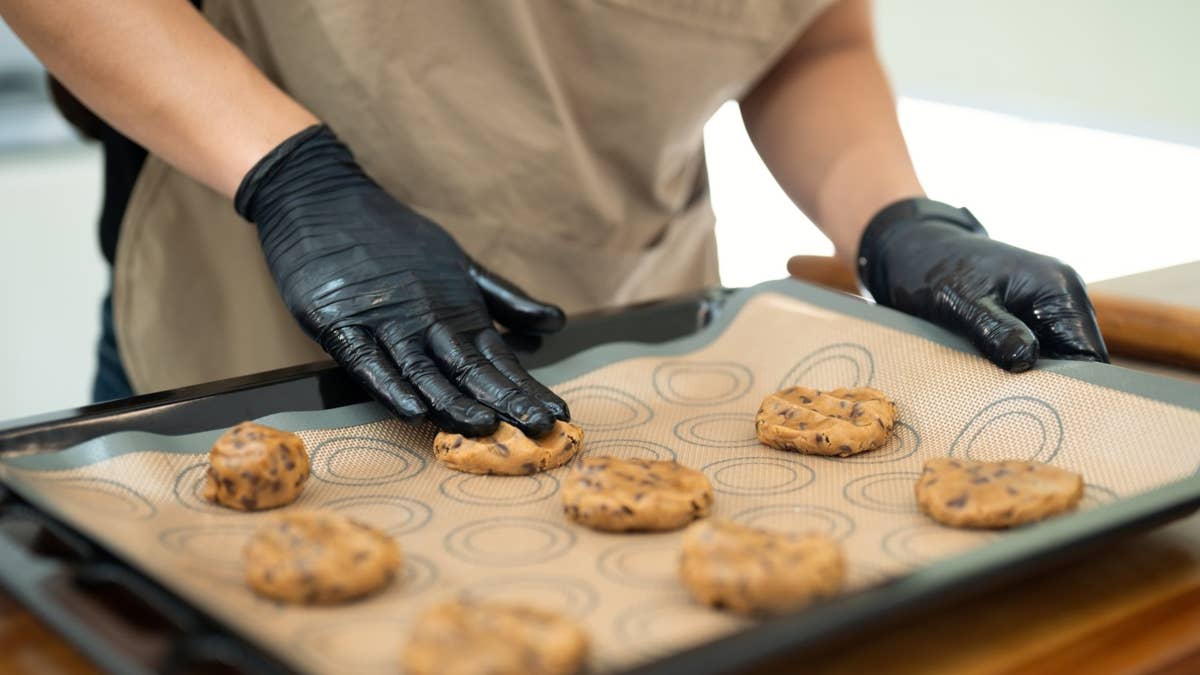 Please & Thank You joins a long list of cookie brands that have filed for Chapter 11.
Shutterstock
Please & Thank You faces multiple challenges
“Founder and owner Brooke Vaughn cited a slew of factors behind the move, including rising supply and labor costs since the Covid-19 pandemic and recent issues with the business’ accounting firm that left her business in the dark about growing losses,” according to the Courier-Journal.
The chain, which filed in U.S. District Court in Louisville, showed $4 million in debts.
“The cost of scaling P&TY’s brand post-pandemic has been exorbitant,” Vaughn wrote in court filings, noting that while her company has seen year over year revenue increases and growing brand awareness, it has not been profitable since 2019.
Vaughn vowed to keep the chain’s stores open during the bankruptcy process.
“The most important message is that we are staying open and operational during this restructuring,” she told the Courier-Journal. “The employees have jobs and we need community support through this time.”
Of Please & Thank You’s $4 million in debt, about half is tied to a $2 million U.S. Small Business Administration Loan from June 2020, court records show.
Vaughn added in court filings that she’s exploring a sale of the company to a long-term vendor.
“I would like to see this brand succeed and jobs retained, even if I’m unable to lead,” she wrote.
Please & Thank You joins a list of cookie brands that have filed for bankruptcy over the past two decades, including Mrs. Fields, Liz Lovely, Great American Cookies, Crumbs Bake Shop, and David’s Cookies.
GLP-1 drugs have hurt some food brands
Another trend some restaurant executives are monitoring is the growing use of GLP-1 drugs, which have been linked to reduced snacking and dessert consumption.
That’s something which has not hurt the entire industry equally, according to Darden CEO Rick Cardenas’ comments at the ICR Conference.
“The full-service restaurant space hasn’t really been impacted by GLP-1s,” said CEO on Monday. “It’s impacting grocery significantly, it’s impacting snacking, we believe that it’s impacting other categories of restaurants more than it’s impacting us.”
Please & Thank You sits squarely in the “snacking” space.
More than 1 in 10 Americans have used a GLP-1 drug for weight loss, a new survey by the RAND research group reveals.
“GLP-1s work by reducing the appetite and feelings of hunger, slowing the release of food from the stomach, and increasing feelings of fullness after eating,” according to research published on the National Library of Medicine.
Along with the 12% who have tried the drugs, another 14% are interested in giving them a go, the survey found.
People on GLP-1 drugs, myself included, may still eat the occasional cookie, but your appetite decreases, and your eating becomes less impulsive.
“GLP-1 users aren’t forgoing trips to restaurants, either, but are simply altering their ordering habits, Circana said in a report on consumer survey data and receipt tracking released last week,” Restaurant Dive reported.
And while there’s no direct data tying GLP-1 use to cookie-chain closures, the drugs are part of a broader shift toward more intentional eating.