
While most of us have enjoyed a bit of retail therapy from time to time as we cope with everyday stressors, 2025 is quickly proving itself the year to spend less.
President Trump’s ongoing tariffs saga have scared many a consumer who is worried prices for everyday essentials are going to skyrocket as the year goes on.
💵💰Don’t miss the move: Subscribe to TheStreet’s free daily newsletter💰💵
This was reflected in retail sales in May as they declined 0.9%, an even bigger drop than the 0.6% expected from the Dow Jones consensus.
While some retailers, such as Walmart (WMT) and Target, have announced that prices will go up as a result of tariffs, others have promised to keep their prices low.
Amazon (AMZN) CEO Andy Jassy said in May that tariffs haven’t dented the online retailer as of yet and that consumers are still buying, although he’s also said that “strategic forward inventory buys” (which will eventually run out) have helped.
Related: Walmart delivers Amazon some really bad news
Business has to go on as usual, economic uncertainty or not, and that means Amazon is preparing for its annual Prime Day sale, which it announced on June 17.
This year’s event differs a bit from the previous ones, however. This year Prime Day is from July 8-11, marking Amazon’s longest Prime Day event ever.
Not content to sit and watch while Amazon rakes in profit, Walmart has responded — and the response is cutthroat.
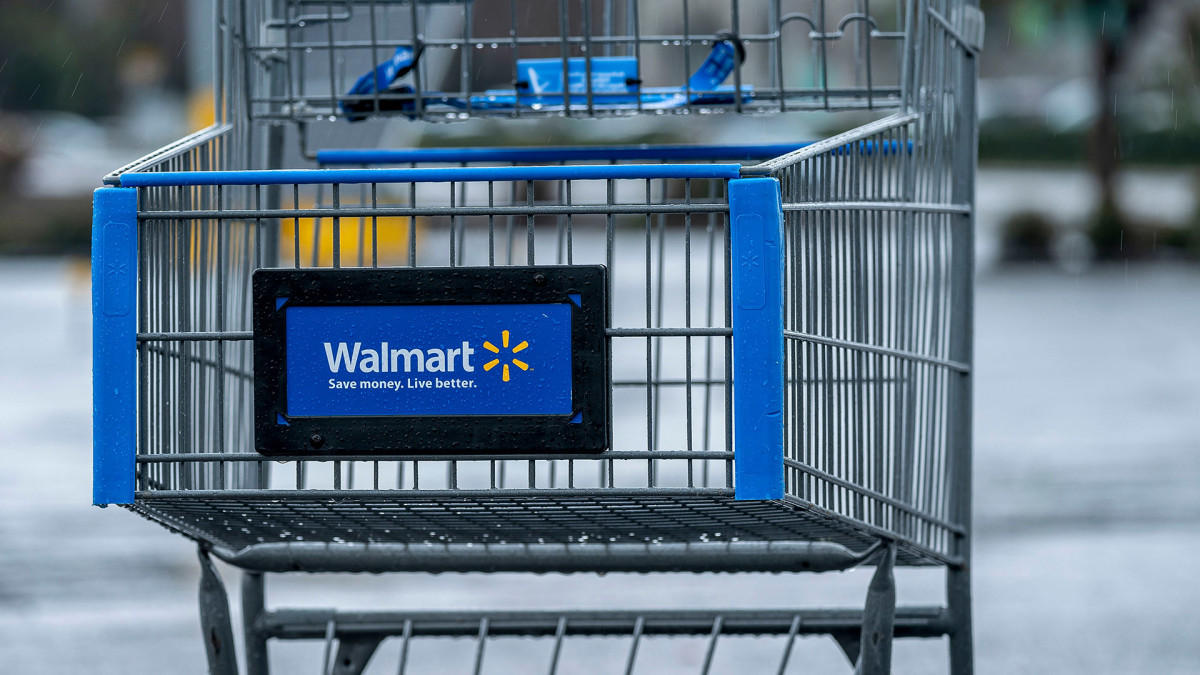 Walmart has big plans to rival Amazon Prime Day.
Image source: Getty Images
Walmart announces an even bigger event
On June 23, Walmart revealed its Walmart Deals event, which not only runs at the same time as Amazon Prime Day, but is two days longer.
Walmart’s event will kick off at midnight on Tuesday, July 8 online and when retail stories open, and it will continue through Sunday, July 13.
Walmart+ members also get early access to the deals, which begin Monday, July 7 at 7 p.m. EST, more than a full day in advance of the sale’s launch.
This also marks the first year Walmart will offer the Walmart Deals event both in-stores and online.
The release also highlights some of the deals customers can look forward to, including a 32-inch Samsung Smart Monitor for $199, a 50-inch Vizio QLED Smart TV for $238, and the Dyson V7 cordless vac for $229.99.
Customers can preview more deals in Walmart’s app or on its deals page on its official website.
Related: Walmart makes bold move to help inflation-battered consumers
“From barbecues to back-to-school, we know this is a busy shopping season for our customers, which is why we’re excited to bring back the Walmart Deals event,” said Executive VP of General Merchandise Megan Crozier.
“As customers look to save on both the items that they want and need this season, this summer’s event will feature a wider selection of products including wellness finds and everyday essentials. We also know families are continuing to shop earlier for the new school year, so we’ve brought back deals on first-day essentials to help customers save more when it matters most.”
The battle for retail supremacy
Walmart has wasted no time in meeting Amazon on its own battleground, launching its own Walmart+ service in September 2020 to compete with Amazon Prime.
In February, Amazon struck back with a damaging blow: it surpassed Walmart’s quarterly sales for the first time ever, earning $187.8 billion to Walmart’s $180.5 billion.
Analysis shows that Amazon is catching up annually as well. Walmart is expected to hit $708.7 billion for the fiscal year, while Amazon is expected to hit $700.8 billion, per FactSet.
The race has gotten brutally close as Walmart has continued to build an aggressive e-commerce presence. The retailer delivered five billion items on the same day they were ordered in 2024, and will likely exceed that number in 2025.
“I am very, very grateful that we have 4,700, roughly, stores,” which now double as fast-delivery hubs, Walmart Chief Executive John Furner said in an interview. “It’s something that perhaps a few years ago people would not have expected we would have been able to deliver at scale.”
One sector in which Walmart has dominated Amazon is grocery. A recent Coresight Research survey of Amazon Prime members revealed they tend to buy their groceries online from Walmart instead of Amazon.
In a seven-year period, only 52% of Prime members turned to Amazon for their grocery shopping. But Walmart saw 79% of its Walmart+ subscribers buy groceries online during that time, showing stronger loyalty — and a possible Achilles heel that Amazon may not be able to match.
Related: Walmart turns heads with major announcement, beats Amazon