
Walmart (WMT) is giving its Great Value brand its first major redesign in more than a decade, refreshing the look of one of the retailer’s most recognizable in-house product lines.
At first glance, the move may seem like a simple packaging update, but Walmart’s latest decision could have broader implications for the business than many investors realize.
Here’s why the company’s packaging refresh matters.
Walmart refreshes a massive store brand
Great Value is getting its first full redesign in more than 10 years, with updated packaging rolling out across nearly 10,000 food and consumables SKUs over the next two years, starting with salty snacks.
This is not some small in-house label brand. Walmart says Great Value is its largest private brand, the largest food and consumables CPG brand in the U.S., and is found in 9 out of 10 American households. The brand saves the average family 35% per year.
At that scale, even modest improvements in product recognition or shopper confidence can drive meaningful volume toward higher-margin private-label products.
More Walmart:
- Walmart makes key move to target a new type of customer
- History of Walmart: Company timeline & facts
- Walmart closes key operation, lays off 111 workers
Importantly, Walmart is not changing the underlying products or pricing. That keeps the redesign focused entirely on improving the purchase decision.
Management said the updated packaging is designed to improve visibility and discovery across both stores and digital channels.
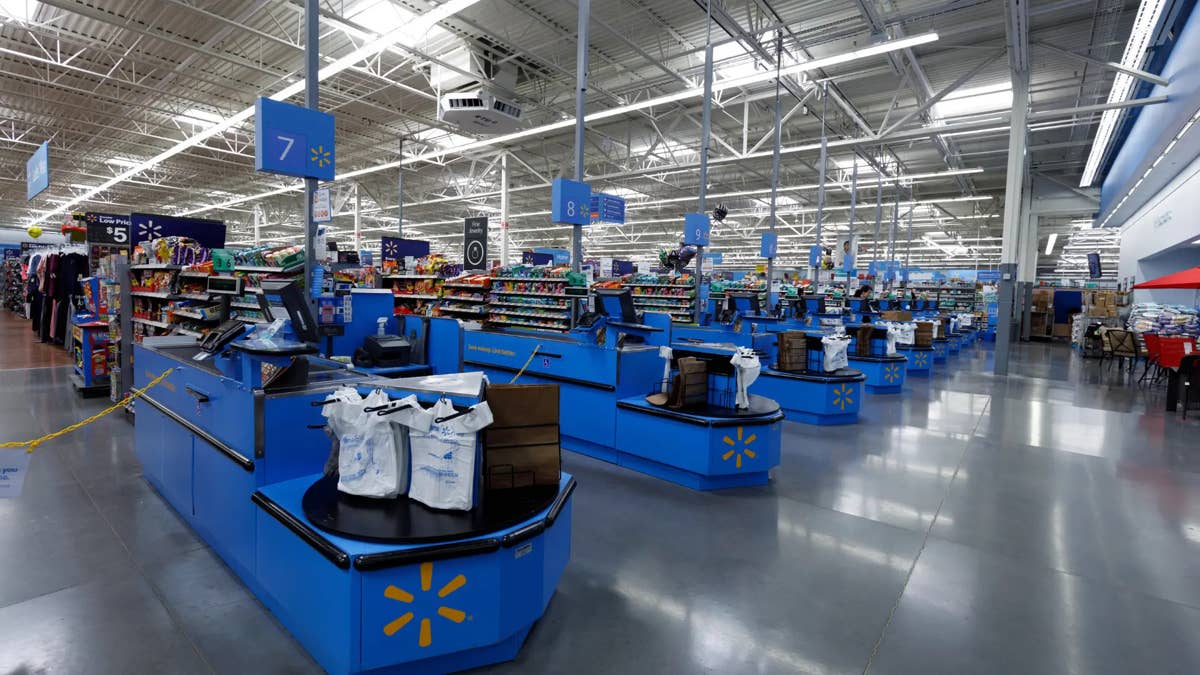 Walmart’s packaging redesign is aimed at improving efficiency across stores, pickup, and e-commerce as online sales become a larger part of the business.
Packaging becomes an omnichannel efficiency tool
The redesign also has an operational angle. Walmart is rebuilding packaging to work better across shelves, pickup, and e-commerce, not just inside stores.
Management said the new design uses clearer visual cues and more consistent information placement so shoppers and store associates can identify products faster.
That matters because Walmart’s U.S. e-commerce sales grew 27% year over year last quarter, and online now makes up 23% of U.S. sales.
As the online channel grows, packaging can influence online conversion, substitution confidence, and picking efficiency within Walmart’s fulfillment network.
Walmart also said store-fulfilled deliveries rose roughly 50% year over year, showing how dependent its digital business is on associates quickly locating products in stores.
In grocery, where many products look similar, clearer packaging can reduce picking friction and improve throughput across thousands of SKUs.
Redesign supports margin growth as guidance softens
The timing is notable as Walmart balances strong execution with a softer earnings outlook.
In February 2026, Walmart reported fourth-quarter revenue of $190.66 billion and adjusted EPS of $0.74, both ahead of expectations. However, full-year adjusted EPS guidance of $2.75 to $2.85 came in below analyst estimates of $2.96.
That makes moves like this more important.
The Great Value redesign gives Walmart another internal lever to improve margins inside one of its most important traffic-driving categories.
Management has repeatedly highlighted private brands as a strategic opportunity, while CEO Doug McMillon has noted that many higher-income shoppers who came to Walmart during inflation are staying.
That matters because those shoppers are more likely to compare Great Value directly with national brands, making packaging and presentation more important.
What could drive Walmart stock higher?
- Great Value’s clearer packaging could improve shelf conversion and lift private-label mix, expanding grocery gross profit dollars.
- More standardized labels could speed store picking and reduce fulfillment friction, supporting U.S. e-commerce profitability.
- Stronger visual consistency online could improve product discovery and raise attachment rates in repeat food and consumables orders.
- A sharper private-brand presentation could help Walmart retain higher-income shoppers, making inflation-era traffic gains more durable.
What could hurt Walmart stock
- Execution is a risk. Packaging rollout missteps could create shelf confusion and disrupt repeat purchases in core consumables categories.
- If redesign costs run above plan or conversion gains prove too small, the margin payoff weakens.
- Customers may still prefer national brands, limiting mix improvement.
- Supplier or inventory disruptions tied to the transition could also hurt in-stock levels in high-frequency grocery items.
Walmart’s house brand redesign could help
Walmart’s Great Value redesign may seem minor, but it could become a meaningful margin driver if it helps boost private-label sales and improve fulfillment efficiency across stores and e-commerce.
For a company with more than $700 billion in annual revenue, even small operational improvements at scale can create significant long-term financial upside.
Related: Walmart Bets on Digital Pricing — But Most Shoppers Aren’t Sold