
Since the beginning of the year, there’s been a lot of speculation and uncertainty surrounding the U.S. economy.
For one thing, inflation has remained stubbornly elevated. That’s caused consumers a world of pain, particularly lower and moderate earners without much wiggle room in their budgets.
Related: Warren Buffett sends White House blunt message on the economy
And then there are tariffs to contend with, which, in the context of the economy, have become the new four-letter word.
In April, President Donald Trump’s tariffs sent the stock market plummeting. Investors found themselves grappling with record losses in the days following the president’s big tariff announcement.
💵💰Don’t miss the move: Subscribe to TheStreet’s free daily newsletter💰💵
More recently, the end of President Trump’s tariff pause rocked markets again, though not to the same extent as in April.
At this point, consumers and investors alike may be resigned to tariffs. But that doesn’t mean they aren’t worried about what’s in store.
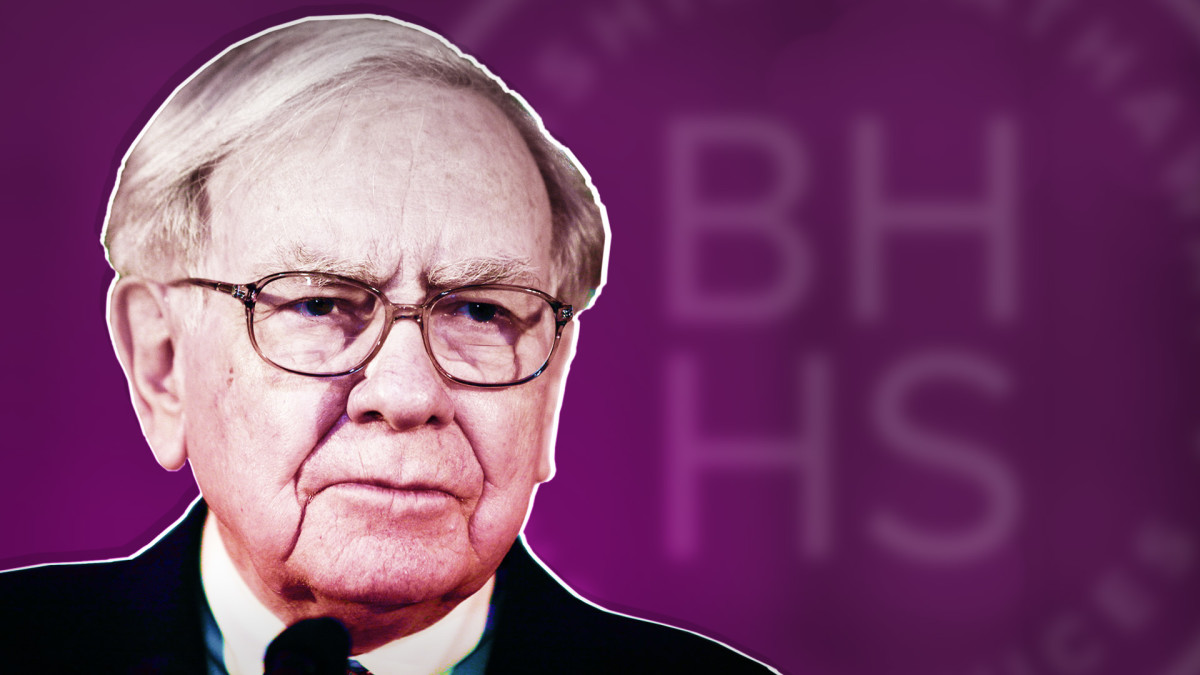 Warren Buffett’s Berkshire Hathaway sounds a dire tariff warning.
Image source: Bill Pugliano/Getty Images
Berkshire Hathaway earnings highlight harsh tariff impact
Warren Buffett’s Berkshire Hathaway has its hands in a number of different businesses. As such, it’s said to be a micro-representation of the broad U.S. economy.
On August 2, Berkshire Hathaway released its second-quarter earnings. And the results were not so favorable.
Related: Warren Buffett has harsh words for stock market investors
The company saw operating earnings decline 4% year over year to $11.16 billion.
First-half revenues also fell across different retail outlets, including:
- 12% at Fruit of the Loom
- 10% at children’s clothing brand Garan
- 39% at Jazwares, maker of popular toys such as Squishmallows
These declines largely reflected a drop in sales volume, which was attributed to order delays stemming from tariff-related uncertainties.
All told, total revenue from Berkshire’s manufacturing, service, and retailing division fell 3.4% year over year. And it’s clear that tariffs are largely to blame.
Berkshire Hathaway says tariff pain not over, and future is uncertain
The numbers from Berkshire Hathaway’s latest earnings report speak for themselves. But the tone of the company’s earnings release was notably negative.
“The pace of changes in these events, including tensions from developing international trade policies and tariffs, accelerated through the first six months of 2025,” the company said. “Considerable uncertainty remains as to the ultimate outcome of these events.”
Related: Forget Starbucks, another coffee giant promises higher prices
Specifically, Berkshire called out a number of potential impacts tariffs could have in upcoming quarters, including:
- The availability of products
- Supply chain backlogs
- Supply chain costs
- Consumer demand
“It is reasonably possible there could be adverse consequences on most, if not all, of our operating businesses,” the company said.
All told, if a company like Berkshire Hathaway is sounding tariff warnings, it’s important to listen.
Consumers may want to brace for more uncertainty in the months ahead by stockpiling essential goods before their costs rise — that is, if they can afford to.
The reality is that the aftershock of rampant inflation has left many consumers living paycheck to paycheck with little room to prepare for higher costs, and little means of coping with elevated prices that could lurk right around the corner.
And if consumer demand wanes due to tariff-induced price increases, it could batter the already hurting retail industry, leading to a host of store closings and bankruptcies in the coming year.
Related: Warren Buffett sends blunt message on Social Security