
TheStreet aims to feature only the best products and services. If you buy something via one of our links, we may earn a commission.
Fitness trends don’t always have their merits — in fact, more often than not, social media in general can popularize a habit or product and make it seem far better than it is — but occasionally there are some that do. Weighted vests are not new by any means. They’ve been used for decades in military and law enforcement training, but more and more everyday folks are adding one to their workout routine.
New research is showing that the market for the weighted piece of apparel is projected to grow from $199 million in 2024 to $313 million by 2031 and it’s not surprising in the slightest. Social media has seen an increase in users wearing weighted vests while walking or hiking, turning the once job-specific training device into a workout tool that actually may offer some impressive health benefits. By adding more resistance to your body as you walk, run, hike, bike, or partake in other forms of exercise, you can actually burn more calories. Research by the American Council of Exercise found that walking with a vest equal to 15% of your body weight can increase calories burned by about 12% compared to that same walk without a vest. This can also help you more efficiently work out, since you can burn more in less time, cutting your workout down timewise if you so choose.
It can also greatly improve your bone density, something really key since as you get older, you naturally lose bone mass as you age which can cause issues like osteoporosis, make your bones more brittle and prone to breakage and injury, and cause you severe pain. “That’s huge for patient populations at high risk of fracture, like older adults and postmenopausal women,” said Dr. Sarah N. Harangody, a Northwestern Medicine Orthopaedic Surgeon and Sports Medicine Specialist. That said, this is definitely more preventative and better to take advantage of when you’re younger versus opting for a weighted vest as you get older.
Other benefits include potential improvements in your heart and cardiovascular health, increased muscle growth and strength, and possible improvement in your posture and balance.
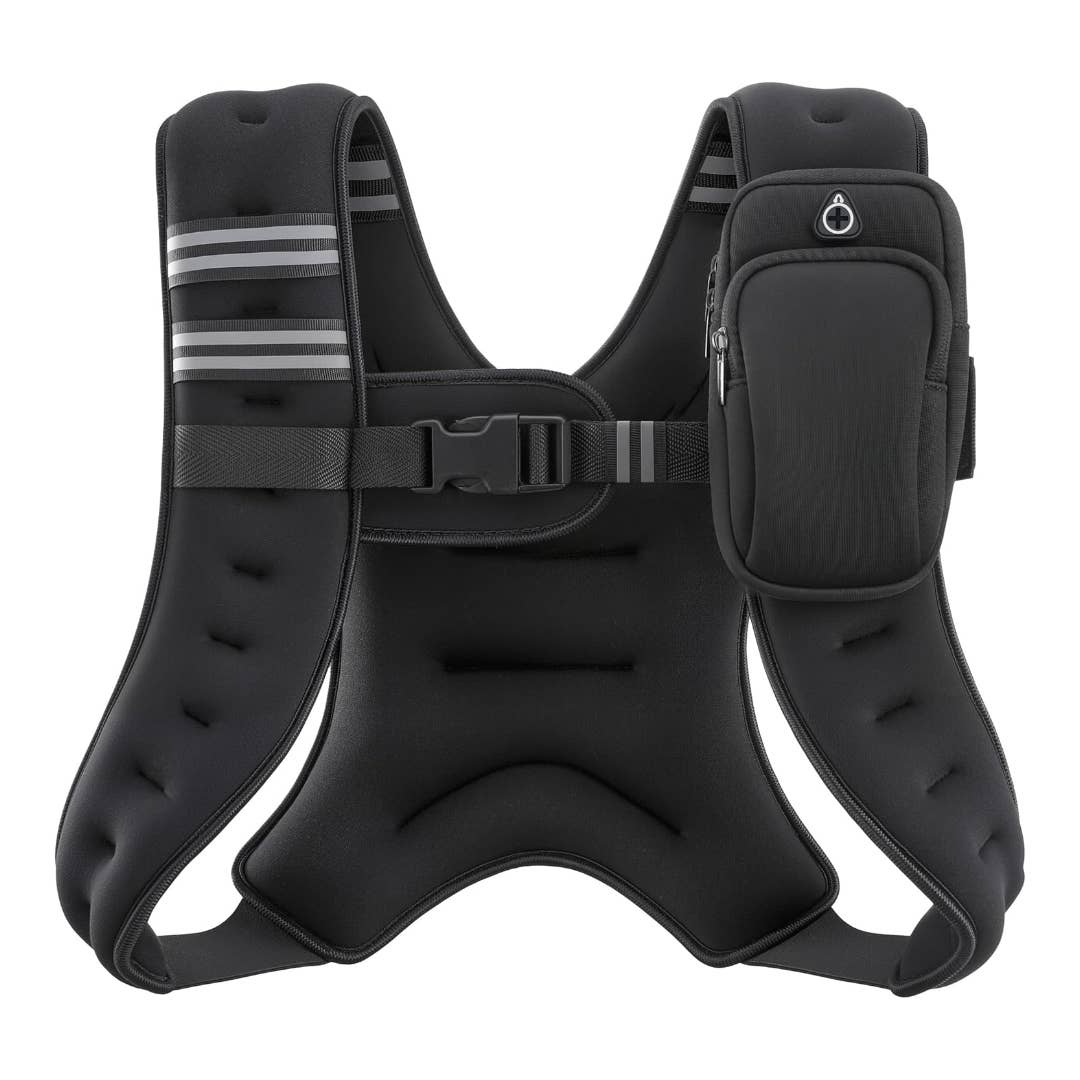
Zelus Weighted Vest
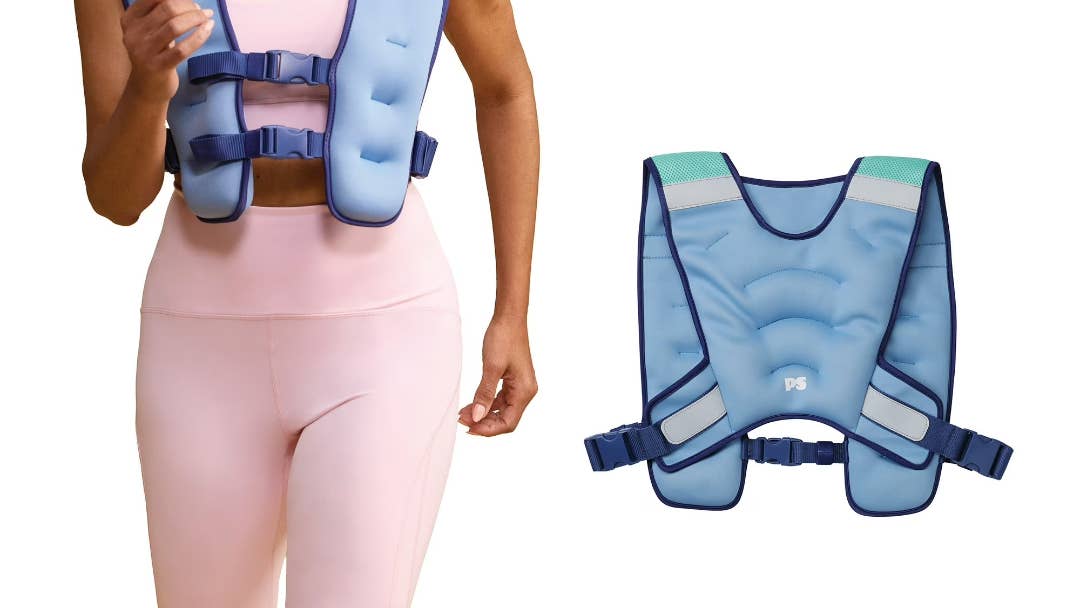
Popsugar 10 Pound Weighted Vest
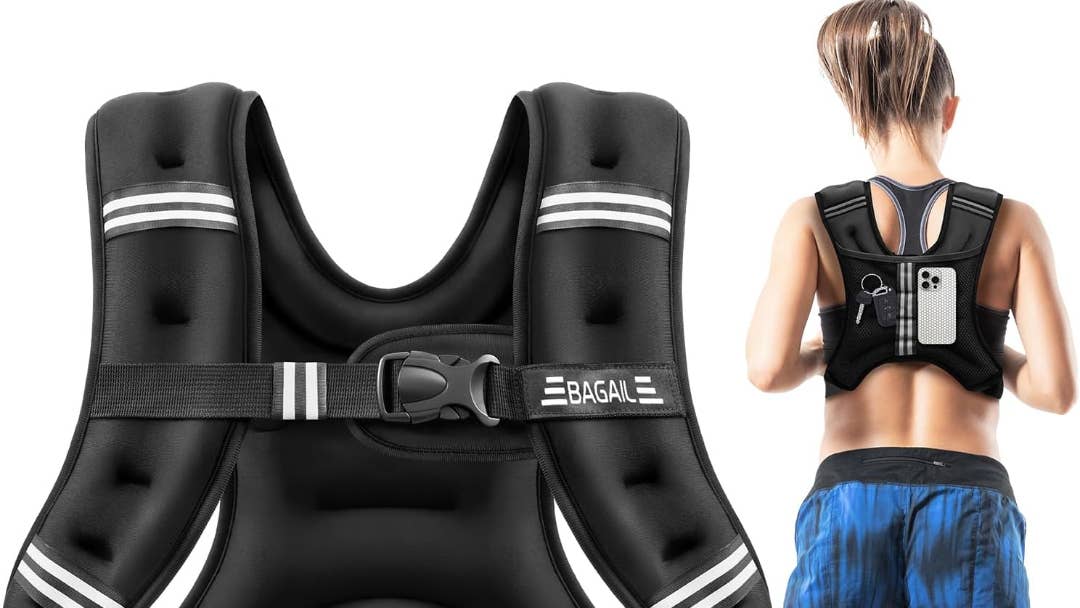
Bagail Comfort-Fit Weighted Vest
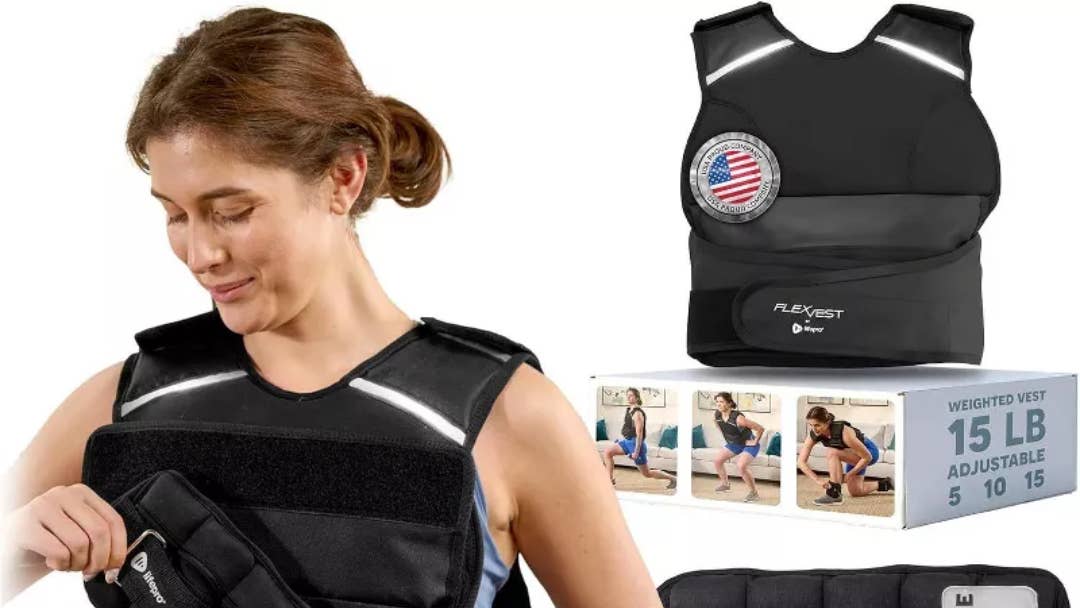
Lifepro Adjustable Weighted Vest
How do they work?
Weighted vests are designed to evenly distribute heavy weight across your core while leaving your arms and legs unrestricted for movement. They typically are made with heavy-duty mesh or nylon and have internal weights that are specifically loaded into compartmentalized pockets. They are usually filled with iron/steel shot, sandal, or metal plates, and some adjustable versions allow you to remove or add the weighted material based on what’s appropriate for your body. Using adjustable hook-and-loop Velcro straps, elastic lacing, or quick-release buckles, the vest stays securely on your body, fitting tightly as to prevent bouncing or shifting when you’re moving.
What precautions should I keep in mind?
There is a science to choosing the right weighted vest. Dr. Harangody and other experts warn that a weighted vest should not exceed more than 10% of your total body weight. Beginners should start with a vest that’s around 5% of their total body weight. If you opt for something too heavy, you risk injury, particularly to your joints, back, and shoulders. A weighted vest that’s too heavy can also affect your posture, causing strain on your muscles and further injuring you if it gets in the way of a proper workout move. You also don’t want it to restrict your breathing in any way, but you do want a vest that fits snugly so that it doesn’t bounce around when you’re moving around.
You should try to wear a weighted vest for only about 30 minutes at a time, two to three times a week. If you want to wear it for longer periods of time, consult your doctor first before doing so. It is not recommended for all day wear.
Weighted bangles
And weighted vests aren’t the only product that can help you in this way. Weighted bangles or wrist weights are often a smaller, lighter alternative that can deliver some benefits as well.
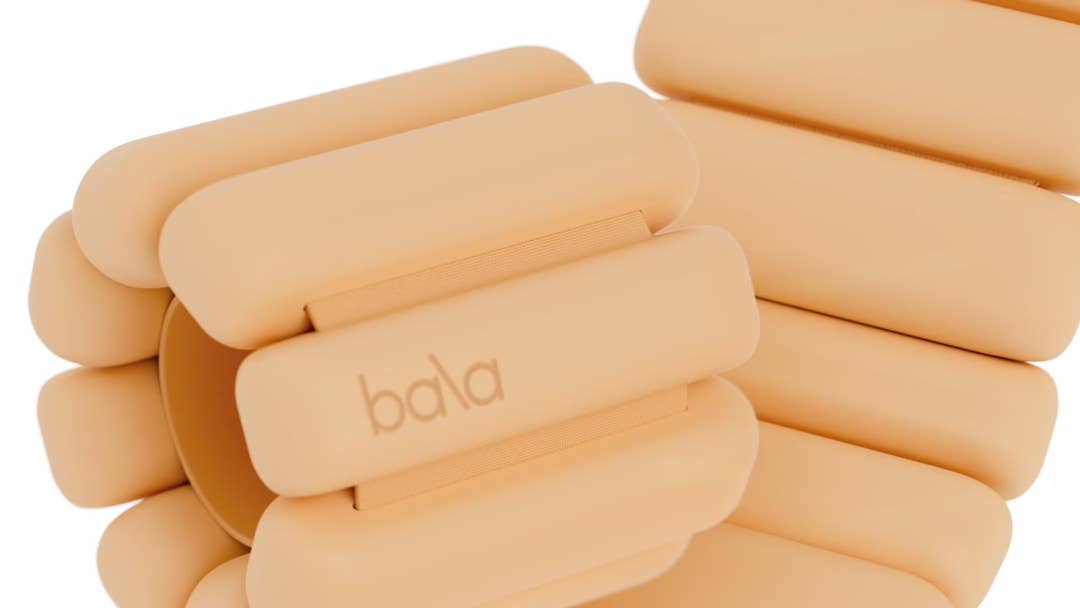
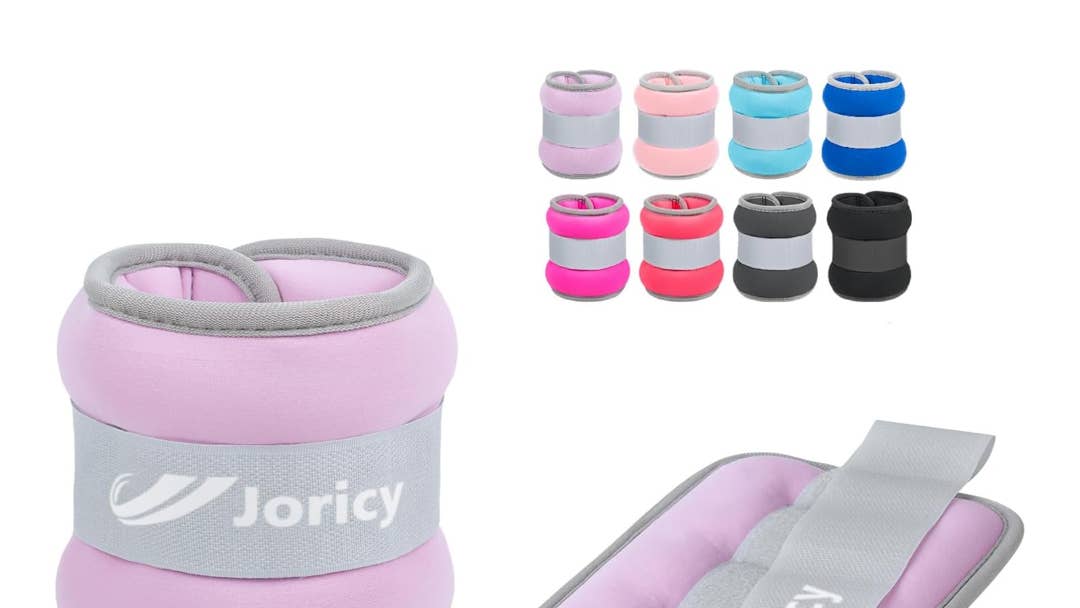
Typically weighing between one to three pounds, weighted bangles can be worn around your wrists or ankles and incorporated into your workout to increase the intensity, get your heart rate up, and help boost muscular endurance. Nowadays, they are often incorporated into pilates and barre classes because of the extra burn they add to your workout while still being light enough for people to do each move. They won’t massively build up muscle or spot-reduce fat but they can help you build endurance, help make workouts more challenging, help with core stability and muscle toning, and improve cardiovascular health.
Bala Bangles
Joricy Ankle Weights With Adjustable Straps
TheStreet Shopping is your guide for shopping insights and advice. We look beyond the price tag to find the best value in home, tech, and wellness gear based on product features and real-world use. Read more about our Editorial Standards and How We Choose Our Shopping Deals.