
About a year ago, I made a huge shift in my daily routine. After that, it changed how I look at nearly everything in my kitchen.
It started after a Huberman Lab podcast episode on microplastics. I already knew plastics were “everywhere,” but I didn’t really get what that meant.
Until I did.
One stat, one sentence, and suddenly I had the major ick.
Related: Say goodbye to those perfect travel-size hotel toiletries
I stopped buying plastic water bottles on the spot. Started bringing my stainless steel one everywhere. At home, I added a water filter specifically to screen out microplastics.
It didn’t feel extreme. It felt overdue.
But here’s the part that gets tricky: even when you try to be careful, you still rely on the labels. On the brands you grew up with. The ones that feel like they’ve always been safe.
And right now? That safety is being called into question — in a way that’s hard to ignore.
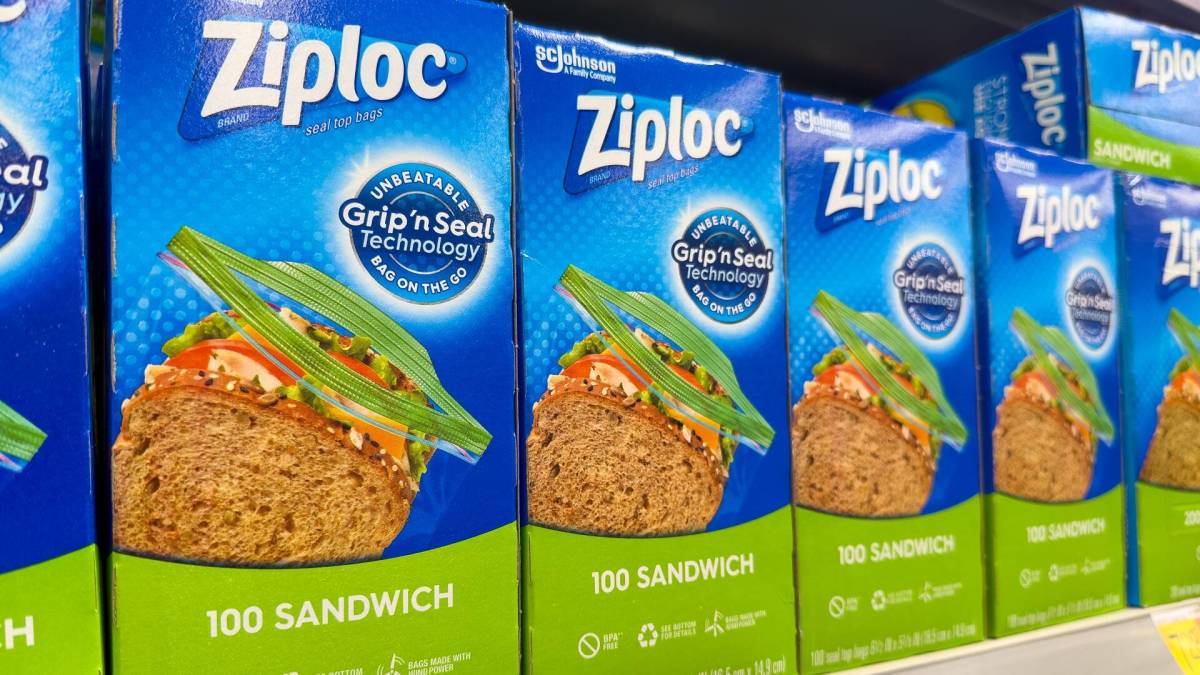 Ziploc, Rubbermaid face alarming lawsuit tied to microplastics.
Image source: ZikG/Shutterstock
Popular kitchen brands sued over toxic plastic concerns
Ziploc and Rubbermaid — brands so ingrained in American kitchens they practically have their own drawer — are at the center of two separate class action lawsuits that are raising some major eyebrows.
Both complaints, filed in California, accuse the companies of misleading consumers with claims that their plastic containers and bags are “microwave safe” and “freezer safe.”
The issue? The lawsuits argue those labels are dangerously misleading.
According to the filings, when these products are used as directed (aka heated in the microwave or frozen), they can release harmful chemicals or microplastics into food.
Related: A growing number of shoppers are avoiding this ingredient
The Ziploc case points to concerns about polyethylene, a plastic that, when heated, may degrade or leach contaminants.
The Rubbermaid lawsuit goes even further, accusing the company of violating California’s consumer protection laws by marketing products in ways that imply safety without proper warnings.
In both cases, the lawsuits aren’t just about scary science…they’re about trust. If a label says it’s safe to microwave, most of us don’t think twice.
And that’s the exact habit these lawsuits are calling into question.
Ziploc, Rubbermaid face growing scrutiny over product safety
So what now? Should we all dump our plastic bins in a panic?
Not quite (although I may).
These lawsuits are still in early stages, and neither company has admitted wrongdoing. But the cases do open up a much bigger conversation about consumer safety, product labeling, and how much we think we know about the products we use daily.
S.C. Johnson, the maker of Ziploc, and Newell Brands, which owns Rubbermaid, have not yet issued public responses to the claims.
More in Retail:
- Ulta Beauty makes surprise huge expansion
- Nike eliminating some classic sneaker models
- Why the latest Messi Stanley collab is smarter than it looks
But with growing attention on microplastics and endocrine disruptors, this kind of scrutiny probably isn’t going away anytime soon.
For the brands, the risk isn’t just legal…it’s reputational. If consumers start questioning what “microwave safe” actually means, companies may need to get a lot more transparent.
As for your kitchen? This might be the nudge to finally toss that mismatched stack of plastic Tupperware you’ve been meaning to replace.
Maybe even finally upgrade to those glass containers you’ve had sitting in your Amazon cart.
Because sometimes, the most dangerous ingredients are the ones you never even see.
Related: Protect your parents: FBI shares startling news on elder fraud