
AI’s boom just got a new storyline. And this time it isn’t about chips.
The newest issue concerns electricity bills, grid reliability, and water. Confused? You shouldn’t be.
Politicians in Washington are facing the heat to prove to consumers they won’t “pick up the tab” for hyperscale data center growth; it’s a bipartisan issue.
Peter Navarro, senior counselor for trade and manufacturing to President Donald Trump, spoke on Fox News’ “Sunday Morning Futures,” CNBC reported.
And Navarro’s point is not limited to electricity.
“They need to pay, not only pay for the electricity that they’re using on the grid, but they have to pay for the resiliency that they’re affecting as well. They need to pay for the water. So there’s activity, action here going forward, where we force them to internalize the cost.”
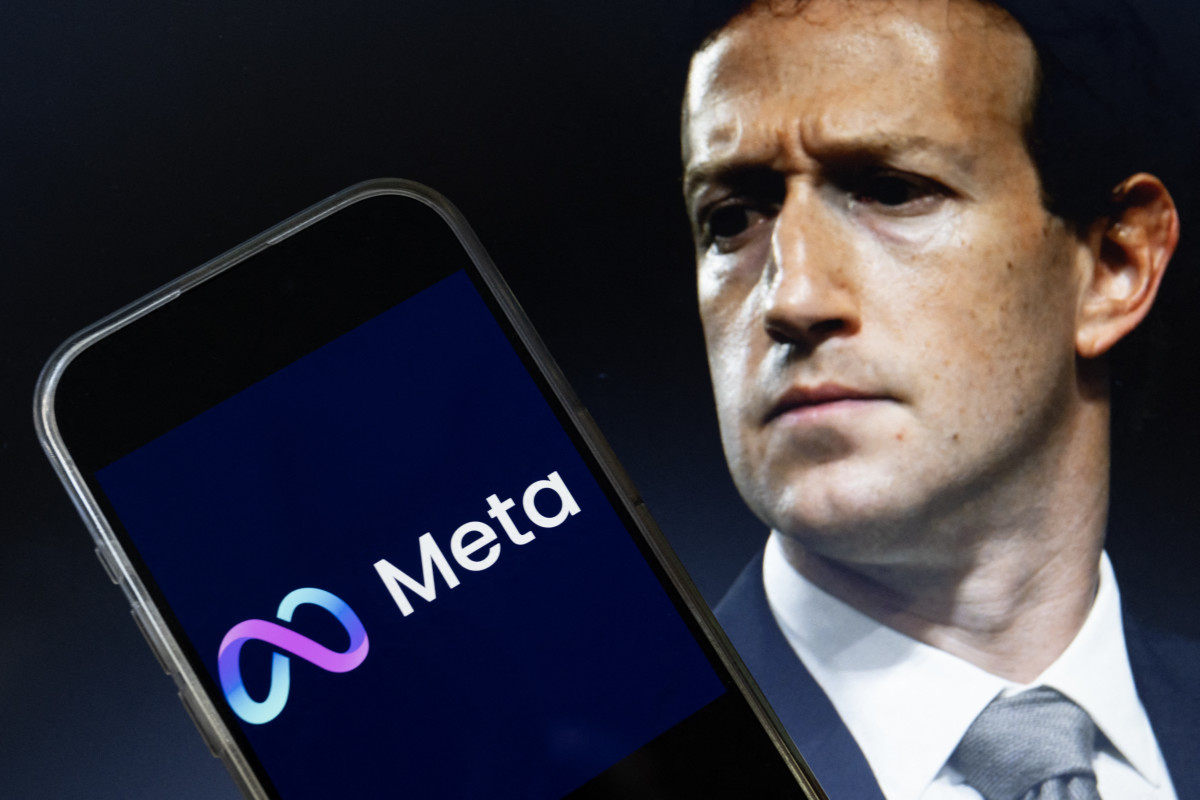 AI’s hidden bill becomes political.
Photo by DREW ANGERER on Getty Images
White House targets data center electricity, resiliency, and water costs
Navarro’s comments point to a direction, even if the details of the matter are not set in stone.
The core message is simple: Data center builders should cover the full burden of their growth. Why is this important? For one thing, consumers, and in turn voters, believe this is a contentious issue.
Related: Legendary skeptic delivers 6-word verdict on Palantir’s hot streak
Consumers should not bear the full internalization of costs, encompassing expenses related to grid enhancements and reliability, instead of permitting utilities to distribute these costs among residential and small business clients.
Meta (META), which Navarro singled out, issued a direct response, according to Business Insider. The tech giant said it already pays for the energy its data centers use and finances local infrastructure upgrades that add power to the grid.
At the same time, the White House is changing its position in the same direction, pushing frameworks that will keep ratepayers from having to cover the costs of AI growth.
The fight over massive AI electricity needs escalates: here’s why
- Electricity prices: The rates of electricity is increasing rapidly, up 6.9% year over year in 2025, according to analysis cited by major banks and recent reporting.
- PJM pressure: The White House is also requesting that PJM Interconnection, the largest U.S. grid operator, take emergency measures to prevent a spike in consumer electricity prices.
- Project scale: Hundreds of megawatts of dedicated generation are increasingly being built together with new data centers.
Illinois pauses data center tax incentives as backlash spreads
States are also taking a tougher stand, and the welcome mat is being rolled up. Power demand and household bills are politically sensitive, and no one can afford to take the issue lightly.
Illinois Gov. J.B. Pritzker unveiled a two-year suspension of state tax incentives for new data center construction, according to NBC News. The pause is set to take effect July 1, as lawmakers weigh how quickly the state can add new load without tacking these costs onto households.
More Tech Stocks:
- Morgan Stanley sets jaw-dropping Micron price target after event
- Nvidia’s China chip problem isn’t what most investors think
- Quantum Computing makes $110 million move nobody saw coming
The governor’s move is a key investor signal. From states’ perspective, the debate is shifting from “How do we attract data centers?” to “What conditions come with them?”
All of this includes power sourcing, grid upgrades, and community cost protections.
A “shadow power grid” emerges as Big Tech tries to outrun bottlenecks
There’s no denying Washington’s increasing obsession with cost allocation. However, Silicon Valley is leaning in a different direction, securing power outside the traditional system.
Recent reports reveal data-center developments that use private power, sometimes even off-grid, to avoid lengthy waits to connect, transmission problems, and utility delays. It’s easy to see why: If electricity is the problem, bring your own.
Related: Veteran analyst drops a shocker on Cisco
But it also brings up new dangers and considerations that investors should consider.
- When speed is most important, what’s the fuel mix and the emissions profile?
- What happens when private electricity becomes a matter of contention for permits?
- Does off-grid electricity alleviate the burden on ratepayers, or does it simply shift the political debate?
Data-center power deals are being built alongside the servers
The notion isn’t theoretical anymore; instead, it’s showing up in project finance.
For example, Zeo Energy signed a deal for about280 megawatts of generation for a data center being built in Millard County, Utah. The plan includes solar panels and battery storage, as well as gas-fired backup power for the whole site buildout.
The trendline is clear: Compute is being planned with generation, not after it.
Microsoft tries to get ahead of the data-center backlash
Microsoft (MSFT) is making some of the clearest public commitments, which are aimed at the “ratepayer subsidy” narrative.
Microsoft is already leading a U.S. initiative for data centers that includes three key elements.
- Pay higher utility rates or otherwise cover costs tied to its power usage.
- Work with utilities to expand supply.
- Replenish more water than it consumes, while publishing water-use and replenishment data by region.
Microsoft’s view is that communities shouldn’t have to pay more just because hyperscalers are growing faster. This is a prudent decision, especially given the current climate in Washington.
What investors should watch next in the AI infrastructure trade
In my opinion, the story is no longer just “AI capex.” Instead, you need to think of it as AI capex meeting energy politics, and that can massively shift winners and losers within an investment framework.
Here are three things to track.
- Formal cost-shifting frameworks: If “internalize the cost” becomes a law or a commonly used agreement, hyperscalers could have to pay more for everything in marketplaces where power is limited.
- Grid rules that make people “bring their own power”: PJM and other operators are looking into ways to push large new loads toward dedicated generation or curtailment risk, which could speed up direct deals with independent power producers.
- The “picks-and-shovels” trade widens beyond chips: Grid equipment, power developers, storage, cooling, and reliability infrastructure are some of the things that benefit from an energy-constrained AI buildout. This is especially true when data centers start coming with power plants attached.
My takeaway is that AI demands are still real. However, power is becoming the limiter. And when the limiter becomes political, the economics change quickly.
Related: Nvidia CEO shocks AI community over the one thing he didn’t do