
Treasury Secretary Scott Bessent’s comments on “Meet the Press” this weekend seemed a bit disconnected from the reality most Americans are facing, but Chevron (CVX) CEO Mike Wirth is offering a reality check for anyone confused about where energy prices are headed.
“Core inflation is down. Food is below the Fed’s targets. Prescription drugs have had the biggest decrease in history. Rents are down,” Bessent insisted on Sunday, Oct. 18.
Luckily for him, the audience for Sunday political shows such as “Meet the Press” can be a bit niche. Because if you told the average American that their grocery bills have declined or that they are paying less in rent than they did a year ago, they would look at you like you were crazy.
But perhaps the least truthful part of Bessent’s defense of the Trump economy (which he is still blaming on Joe Biden nearly two years after he left office) was when he spoke about energy prices.
“This is an energy shock,” Bessent said. “We will get to the other side of the Iran conflict, and those prices will come down.”
Ignoring the fact that the administration has said that the “conflict” was supposed to end months ago, there is real danger that the energy price shocks that the global market has absorbed is only the beginning. And according to Wirth, they are actually about to get much worse.
Read more: Scott Bessent sends clear signal to bond market investors
Oil ‘buffers’ that held energy prices down are depleted
Supply disruptions due to the Iran war have pushed the average gas price above $4 and 2026 has now officially beat 2022’s record for the most consecutive days with the U.S. national average above $4, according to industry analyst Patrick De Haan.
That record increase has actually been tampered down by excess inventory that has acted as a buffer used to help absorb the shock, according to Wirth. But now, the buffer has been nearly exhausted.
“We came into this year with high inventories,” Wirth told CNBC in early October. “High inventories in commercial stocks held by companies, high inventories in strategic stocks held by governments around the world and actually significant inventories on the water, particularly barrels that were sanctioned by the U.S. or the EU.”
More Economy:
- Goldman Sachs rethinks U.S. economy as interest rates stay higher
- Heating bills expected to jump by $1,000 in some U.S. states this winter
- How stocks will react when the catalysts are few
But after months of supply disruption, and energy depot bombings, and higher transport costs, Wirth expects supply shocks to be more severe.
“Over the last several months, we’ve seen commercial inventories draw down, strategic stocks be released and those sanctioned barrels have been relieved and allowed to be delivered as well,” he said.
“Those are all buffers in the system that have bought us time, but they’ve been drained. And so, we’re at much lower levels of inventory right now and it makes the system more vulnerable to disruption.”
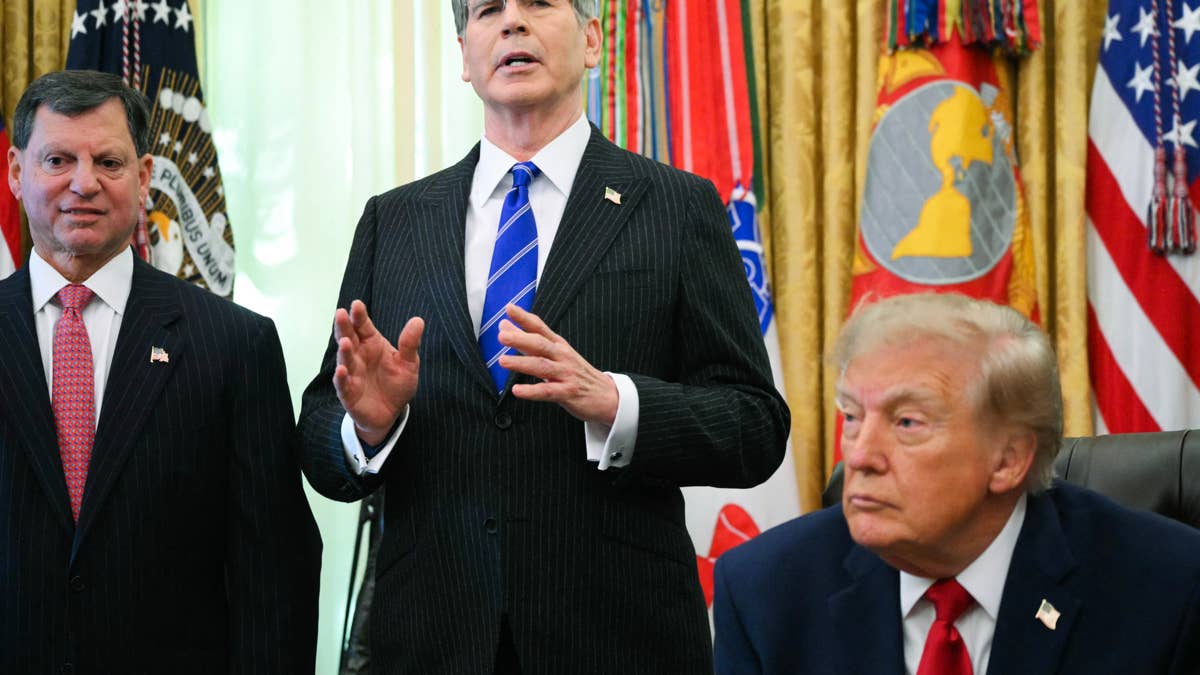 Scott Bessent claims that core inflation and the costs of food, rent, and prescription drugs have decreased.
ALEX WROBLEWSKI / Getty Images
Why Bessent is wrong
Bessent’s appearance on MTP seemed more political than factual. Republicans have controlled all three branches of the U.S. government for the last nearly two years, so despite their insistence that the state of the economy is their predecessors fault, the truth is that they own it. Especially when it comes to energy prices.
“We will get to the other side of the Iran conflict, and I believe that the energy markets will be better supplied than they were,” Bessent said.
So with U.S citizens two weeks away from a much-needed referendum on the state of the country on Nov. 3, Bessent is downplaying the length of time it will take to recover from the Trump administration’s missteps.
But industry leaders who aren’t playing the same political game have a much more pessimistic outlook.
Earlier this month Amin Nassar, CEO of Saudi Aramco, the world’s largest energy producer, said that replenishing global oil stockpiles could take as long as two years while admitting “the system is already straining.”
According to Nasser, nearly 3 billion barrels of oil supply has been lost since the U.S. and Israel launched military strikes on Iran in late February, while 1 billion barrels have been released from stocks.
That means even after the war with Iran is concluded, the energy shocks will remain this us for a long time to come. They may even outlast Bessent’s time a Treasury Secretary.
Related: Jim Cramer says Scott Bessent is fighting a flood with one finger
