
One of the oldest financial institutions in the U.S. is closing dozens of retail branches nationwide as the shift toward digital banking continues to reshape the industry.
With more consumers turning to mobile apps and online platforms to manage their finances, traditional banks are reassessing their physical footprints. While some lenders are scaling back their brick-and-mortar networks, others are investing in new locations to maintain access to in-person services.
Chase is taking both approaches, closing dozens of branches while continuing to expand and renovate locations across the country.
JPMorgan Chase traces its roots to 1799, when The Manhattan Company was founded in New York City. Today, it operates one of the largest banking networks in the U.S. through its Chase consumer and commercial banking business.
Chase closes dozens of retail branches nationwide
Chase closed 23 branches between Aug. 21 and Oct. 30, 2026, across nine states, according to FinanceBuzz.
The bank has also filed notices with the Office of the Comptroller of the Currency (OCC) to close eight additional branches across seven states.
These filings indicate planned closures rather than locations that have already shut down. Combined, the completed and planned shutdowns would affect 31 branches across 16 states.
States where branches have already closed include:
- Arizona: 1
- California: 6
- Illinois: 1
- Indiana: 2
- New Jersey: 3
- New York: 3
- Texas: 5
- Washington: 1
- Wisconsin: 1
States with additional branches slated for closure include:
- Arizona: 2
- Florida: 1
- Indiana: 1
- Kentucky: 1
- Louisiana: 1
- New York: 1
- Ohio: 1
The latest shutdowns follow earlier reductions in the bank’s physical footprint throughout 2026.
Chase submitted at least 16 notifications of branch closures from March through April 2026, according to OCC filings reported by TheStreet.
The bank also shuttered eight branches across Florida, Washington, Ohio, Illinois, California, Louisiana, Arizona, and New York from June through July 2026. During the same period, Chase relocated four branches in Illinois, Ohio, and Florida, according to OCC filings reported by Fast Company.
For consumers, these changes can mean traveling farther to access in-person banking services, particularly in communities where nearby branches are consolidated or eliminated. Customers who regularly deposit cash or need assistance with complicated transactions may be particularly affected.
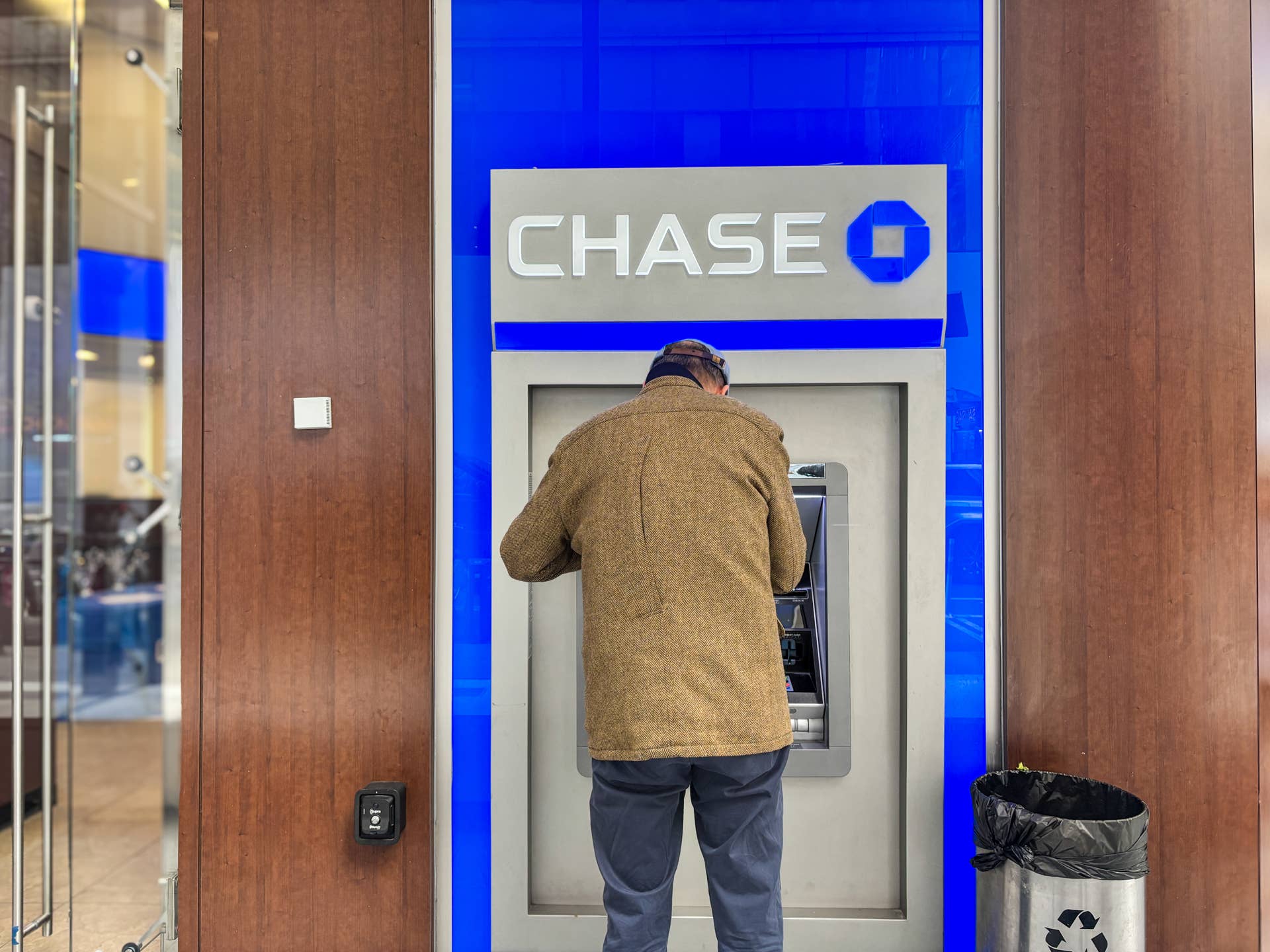 Chase closes dozens of retail branches, with more shutdowns to come.
Is Chase shrinking its retail branch network?
Despite the closures, Chase is not necessarily shrinking its overall physical footprint. The bank continues to invest in its branch network, opening new locations and renovating existing ones as it adjusts its presence across different markets.
In February 2026, Chase announced plans to open more than 160 new branches in over 30 states and renovate nearly 600 locations this year, according to a company announcement.
Here’s some of my previous coverage of bank closures:
- Wells Fargo shuts down dozens of branches as more closures loom
- 169-year-old bank to close 26 branches in major shift
- 70-year-old bank chain closing 51 locations across 13 states
The move is part of a multibillion-dollar investment toward its multiyear growth strategy, launched in 2024, to expand access to affordable and convenient financial services nationwide. The initiative aims to open more than 500 new branches, renovate 1,700 locations, and hire 3,500 employees in the U.S. over three years.
“Our Community Centers are designed to make banking accessible and approachable for everyone,” Chase Head of Community and Business Development Diedra Porché said in the announcement.
Chase recorded 5,164 branches as of Sept. 30, 2026, an increase of 3% from the prior year, according to the company’s third-quarter 2026 earnings report.
The increase suggests that the latest closures are part of a broader effort to reposition the bank’s physical network rather than a retreat from traditional banking. By closing some locations while opening or renovating others, Chase can adjust its presence to population shifts, local demand, and changing customer preferences.
Digital banking grows in popularity among consumers
Consumer preferences have increasingly shifted toward digital financial services, changing how Americans interact with their banks.
A Morning Consult survey conducted on behalf of the American Bankers Association (ABA) from Oct. 9 to Oct. 12, 2026, found that 44% of U.S. bank customers most often use mobile banking apps to manage their accounts.
Another 20% use online banking through a laptop or desktop, while 10% most often visit a physical bank branch.
The survey included 4,402 adults and had a margin of error of plus or minus one percentage point.
“Americans greatly appreciate their banks’ online and mobile offerings and ability to choose from a wide variety of banking options that best meet their needs,” said ABA President and CEO Rob Nichols.
However, the growing popularity of digital banking does not mean physical branches have become obsolete. In-person services remain important for customers who prefer speaking with bank employees, particularly when handling complicated transactions, depositing cash, or seeking financial guidance.
“Branch closures increase the distance people must travel from where they live, shop, work or otherwise prefer to engage in financial transactions,” wrote Federal Reserve Bank of St. Louis Industry Experts Drew Dahl, Michelle Franke, and James Fuchs.
“Those affected sometimes have to go without or must drive long distances to access them.”
As digital banking continues to reshape consumer habits, Chase’s expansion plans suggest physical branches remain an important part of its long-term strategy.
Rather than eliminating traditional banking locations, the bank appears to be adjusting where and how it operates them to reflect changing customer needs.
Related: Wells Fargo shuts down dozens of branches as more closures loom
