
Google remains the platform advertisers are most willing to put additional money behind. A Bank of American survey suggests ChatGPT is beginning to compete for what comes next.
In an Oct. 7 research note seen by TheStreet, Bank of America surveyed 117 advertisers and agencies and found that 44% were spending above their third-quarter plans, while 35% were tracking in line and 15% were below plan.
Google Search led current incremental budget gains, while Meta Platforms (META) also showed healthy third-quarter spending.
However, Alphabet (GOOGL) faces an interesting tension because of the forward-looking outcome.
ChatGPT was selected by 26% of respondents as the platform that might get the most rise in advertising spending over the next 12 months, surpassing Google Search at 19% and YouTube at 11%.
This result does not imply that Google is losing advertising. That judgment would be premature, as shown by Alphabet’s most recent results.
Google Search and other revenue rose 17% to $63.27 billion in the second quarter, while total Google advertising revenue reached $81.63 billion. Alphabet said the Search increase was driven partly by higher advertiser spending and improvements in ad formats and delivery.
Instead, the BofA poll poses a more pertinent question for investors: What happens to the next dollar spent on advertising?
Read more: Zuckerberg says Meta’s AI bet only fails if all AI fails
Google still has the strongest advertiser signals
When Bank of America asked which platform was seeing the largest percentage rise in expenditure compared to prior allocations, Google Search came in first.
Search was selected by 30% of respondents, which is twice as many as Facebook’s 15%. YouTube and ChatGPT both got 9%.
When asked where artificial intelligence was increasing return on ad expenditure fast enough to draw in additional revenue, Google also took the lead. Google Search was selected by 33% of respondents, while Facebook and ChatGPT were selected by 15% and 6%, respectively.
The forecast for the fourth quarter is still positive. In contrast to 39% who anticipate a decrease or stagnation in spending, 47% anticipate a rise in search expenditures starting in the third quarter.
Bank of America predicts that Google Search will rise by around 14% year over year in the third quarter, which is just less than Wall Street’s 15% prediction. However, the poll indicates that there may be a tiny upside.
Thus, ChatGPT is not opposing a weak incumbent. While Google Search continues to be sizable, expanding, and successful, it is attempting to draw in advertising.
This increases the significance of ChatGPT’s forward-looking performance.
ChatGPT is turning advertiser interest into spending
OpenAI has developed the infrastructure needed to convert advertiser interest into active campaigns.
More companies may now purchase and manage ChatGPT advertisements directly thanks to OpenAI’s May introduction of a beta self-service advertisements Manager, cost-per-click bidding, and additional measurement capabilities.
The commercial effort has already reached meaningful scale. OpenAI said in August that ChatGPT Ads had reached $1 billion in annualized revenue run rate less than 200 days after launch and was being used by tens of thousands of advertisers.
That helps explain the BofA survey.
According to the bank, 28% of respondents now use ChatGPT for advertising, and 43% want to start doing so over the next 12 months.
More Artificial Intelligence:
- AI’s biggest business opportunity may not look like AI
- AI racks are outgrowing old power: 2 chipmakers have a strategy
- BofA splits software into winners and losers as AI agents arrive
Spending is still rather low. Just 11% spend more than 5% of their advertising expenditures on ChatGPT, compared to 21% who only devote 1% to 5%.
Where that future money comes from may matter most for Alphabet.
Google Search was most often mentioned by respondents who could pinpoint a source for future ChatGPT expenditure (15%), followed by conventional advertising (10%) and Facebook (8%). Half said the question didn’t apply or weren’t sure.
That does not yet indicate a significant shift in the budget.
It is proof that when marketers consider supporting ChatGPT projects, Search is coming up.
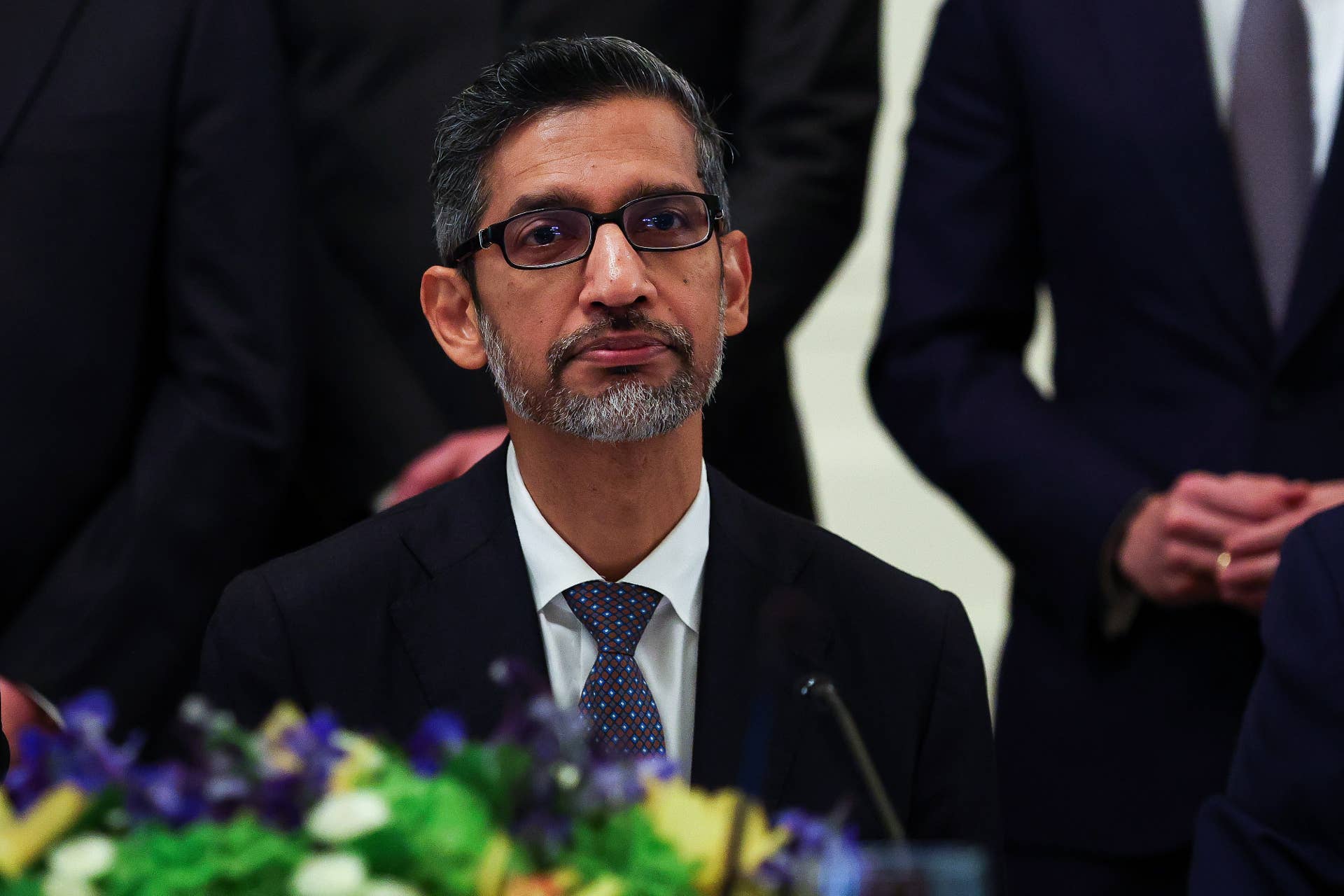 BofA spots a new crack in Google’s advertising advantage.
Meta remains strong as ChatGPT joins the ad fight
Meta provides another reminder that the digital-ad market is still growing rather than simply shifting from one winner to another.
Meta reported $59.36 billion in second-quarter advertising revenue, up 27% from a year earlier. Ad impressions rose 14% and the average price per ad increased 12%.
For Meta in the third quarter, the Bank of America poll was equally positive. According to 33% of respondents, Meta expenditure exceeded original projections.
Sequential spending on Instagram was forceful. In the second quarter, 38% of respondents said their budgets had increased, while 16% said they had decreased.
There were fewer encouraging signs for the fourth quarter. Thirty-eight percent of Facebook’s respondents anticipate increased expenditure, while 51% anticipate a decrease or stagnation in budgets. Instagram does a little better, but it still lags behind Google Search.
The difference is important to investors.
Google and Meta still dominate large, expanding advertising companies. According to the Bank of America report, ChatGPT has not dismantled that hierarchy.
ChatGPT is now fighting for advertiser funds, which is a shift.
Google Search remains the strongest current platform in BofA’s survey. However, ChatGPT ranked highest among marketers when asked where they anticipate the most growth over the next 12 months.
Because of this, the fight is more about where the next dollar will go than it is about where advertising funds are today.
