
Jim Cramer told a caller on “Mad Money” not to own AT&T (T). “I think that Elon Musk is a vicious competitor,” Cramer said in May, arguing that Musk represents the future while AT&T represents the past.
The call is drawing renewed attention after Qualcomm (QCOM) CEO Cristiano Amon announced in November that SpaceX had selected Qualcomm to power Starlink Mobile’s nationwide terrestrial 5G network, with deployment planned to begin in 2027.
The Qualcomm deal gave the warning specific weight it has not always had. For the first time, SpaceX has a named technology partner, a chip platform and a commercial timeline for a full terrestrial wireless network. What had been a speculative threat to the established carriers is becoming a more defined competitive possibility.
The concern is not that SpaceX is ready to take AT&T’s customers. AT&T’s financial structure leaves the company with limited room to absorb a prolonged period of compressed wireless pricing. That is the scenario that Cramer’s warning points to, according to Benzinga.
The Starlink move that is making AT&T nervous
SpaceX’s wireless plans became more concrete when Qualcomm announced it would power Starlink Mobile’s terrestrial 5G network under a multiyear agreement, according to a Qualcomm press release. Deployment is expected to begin in 2027. The agreement gives SpaceX the technology infrastructure to operate what would effectively function as a fourth national wireless network, moving Starlink Mobile beyond its satellite-based roots into direct competition for mainstream subscribers.
Also read: Google’s SpaceX investment takes an unexpected turn
The response from incumbent carriers has been pointed. AT&T and T-Mobile (TMUS) have reportedly told Boost Mobile they would cut it off from their networks if SpaceX proceeds with a takeover of the carrier. That reported stance suggests the incumbents are treating a SpaceX-backed entry into mainstream wireless as a meaningful competitive threat.
SpaceX still faces significant obstacles. Its roughly $8 billion purchase of spectrum from Grain Management still needs FCC approval. TD Cowen has estimated that building a nationwide land-based network would cost more than $80 billion. Qualcomm’s rollout does not begin until 2027. The question for AT&T investors is not whether SpaceX is competing today. It is whether the prospect of a new entrant is already changing how carriers behave on pricing.
AT&T’s whole business runs on wireless pricing
AT&T’s Mobility segment generated $27.2 billion in operating income in 2025, representing 96.9% of its segment operating income. That figure is not simply a data point about where AT&T earns money. It is a description of what AT&T fundamentally is: a wireless business with fiber and media operations built around it.
That concentration creates a specific problem if competition limits pricing power. AT&T increased postpaid phone revenue per user by 4% in the third quarter, driven by new rate plans and higher prices for existing customers.
Those price increases are the primary mechanism through which AT&T grows revenue in a market that has largely stopped adding new subscribers at the pace it once did. If a new competitor limits the room for future increases, the revenue model hits a wall even if AT&T retains its customers.
Churn was not an immediate concern in the most recent quarter. Postpaid phone churn held at 0.92%, unchanged from a year earlier, according to AT&T’s third-quarter 2025 earnings release. But investors are not focused on whether customers are leaving now. The concern is whether AT&T can sustain the pricing trajectory it has relied on to grow revenue, and whether the emergence of a credible fourth carrier makes that trajectory harder to maintain.
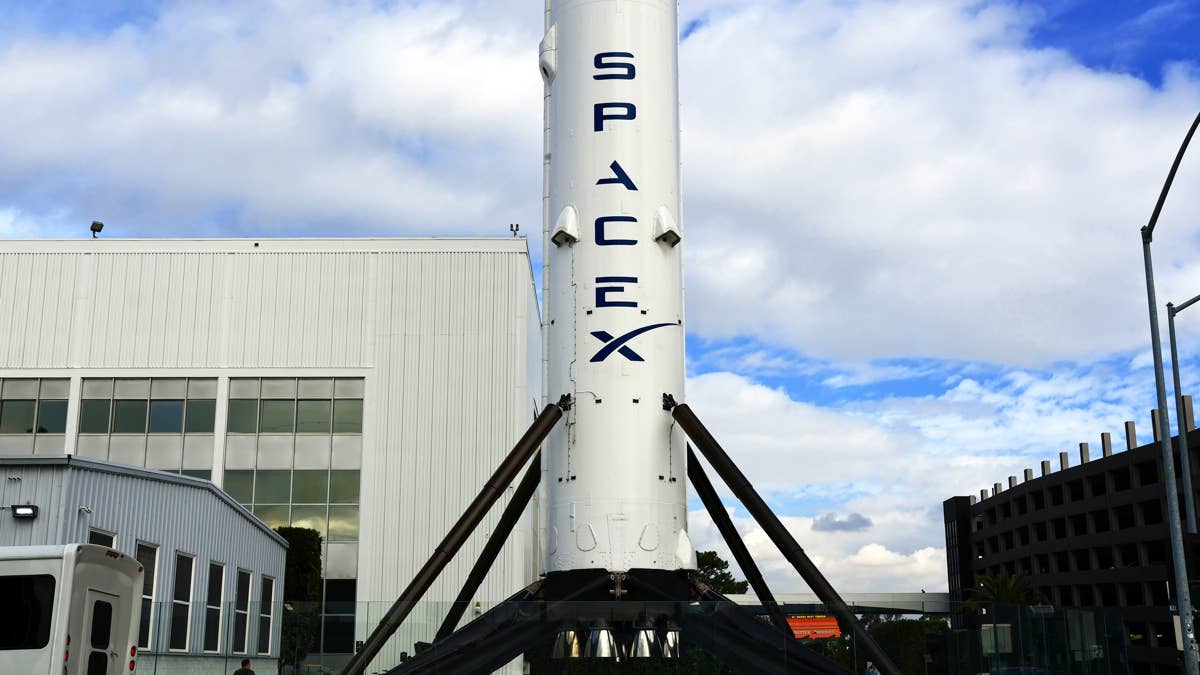 SpaceX’s wireless plans became more concrete when Qualcomm announced it would power Starlink Mobile’s terrestrial 5G network under a multiyear agreement.
Walter Cicchetti / Getty Images
AT&T’s growth ceiling is already in view
The financial case for AT&T has always rested on stable cash flows rather than aggressive growth. Analysts expect revenue to rise from $126 billion in 2025 to $132 billion in 2028, an annual growth rate below 2%. That projection leaves little cushion if wireless pricing comes under sustained pressure from a new market entrant.
Free cash flow came in at $16.6 billion in 2025, up from $15.3 billion the year before, with AT&T guiding for $18 billion or more in 2026. That cash supports a $1.11 annual dividend per share and stock buybacks. But AT&T has also been spending heavily on expansion. The company spent $28.4 billion this year on EchoStar spectrum and Lumen fiber, and net debt reached 3.1 times adjusted EBITDA at the end of the third quarter.
More Jim Cramer:
- Jim Cramer sends clear signal on Apple and Palantir stock
- Jim Cramer explains the ‘AI cheat code’ driving Apple stock higher
- Cramer thinks Boeing’s problems aren’t going away soon, says buy GE
A company carrying elevated debt, projecting revenue growth below 2% and relying on pricing power as its main lever for improvement is in a structurally different position than one with room to respond to competitive pressure through investment or price cuts. The debt load limits AT&T’s options if it must choose between defending margins and defending market share.
What the numbers say about the downside risk
AT&T’s fourth-quarter results, expected in late January, will be the first formal test of whether the company’s performance is holding up as Starlink Mobile’s plans gain visibility. The figures that matter most are subscriber trends, churn, average revenue per user and anything management says about pricing strategy heading into 2027.
The ability to protect wireless margins will tell investors more than headline revenue growth. AT&T can retain customers and still face an earnings problem if it must hold prices steady to do it. Wireless revenue is not just the largest part of the business. It is what funds the dividend, services the debt and finances the fiber buildout. Each of those commitments depends on wireless pricing holding up.
Cramer’s call is aggressive, but the underlying concern is grounded in AT&T’s own numbers. The company earns nearly all of its segment operating income from wireless, faces revenue growth below 2% and carries a heavy debt load after a year of significant acquisitions.
SpaceX still needs regulatory clearance and must resolve the capital and infrastructure requirements of building a national network from scratch. But a competitor need not be fully operational to affect pricing across the industry. If carriers start holding prices down in anticipation of a new entrant, AT&T’s earnings path gets harder before SpaceX opens for business.
Related: Elon Musk sends a strong signal to SpaceX stock investors
