
Target finally has shoppers’ attention again.
Pokémon card drops, a new in-house beauty department and price cuts on more than 10,000 items have pulled people back into its red-and-khaki aisles. Sales are growing again after two years of declines.
Bank of America isn’t buying the stock, though.
In a Nov. 9 research note seen by TheStreet, analysts Christopher Nardone and Madeline Cech reiterated an Underperform rating ahead of Target’s third-quarter report. The note’s title sums up their view: “Risk/reward becoming more challenged.”
What’s bringing shoppers back to Target
Target’s turnaround under CEO Michael Fiddelke has been real. Comparable sales rose 3.8% in the second quarter, driven by a 3.6% increase in traffic, the company reported in August.
BofA expects the third quarter to look even better. It raised its comparable sales forecast to 4% from 3%.
The analysts credit a long list of merchandising bets. Among them are more Pokémon restocks, a Harry Potter collection with 350 exclusive products and more than 1,600 new or remodeled sports Fan Shops.
Related: Target hops aboard the Hogwarts Express with Harry Potter gifts
The biggest one may be in beauty. Target replaced its Ulta Beauty shop-in-shops with its own Target Beauty Studio in about 600 stores, adding 60 brands new to Target, 10News reported.
BofA said it doesn’t “see tremendous risk” in beauty, which accounts for 13% of Target’s sales.
Why price cuts help you more than they help Target
You’re getting a better deal at Target than you were a year ago.
The retailer cut prices on nearly 2,000 home, apparel, and accessory items in late September. Some apparel now costs 20% or more below last year’s levels, and bedding averages 15% lower, KSL reported.
That builds on cuts to more than 10,000 products over the past year. “Guests are looking for great products at an incredible value,” Chief Merchandising Officer Cara Sylvester said, KSL reported.
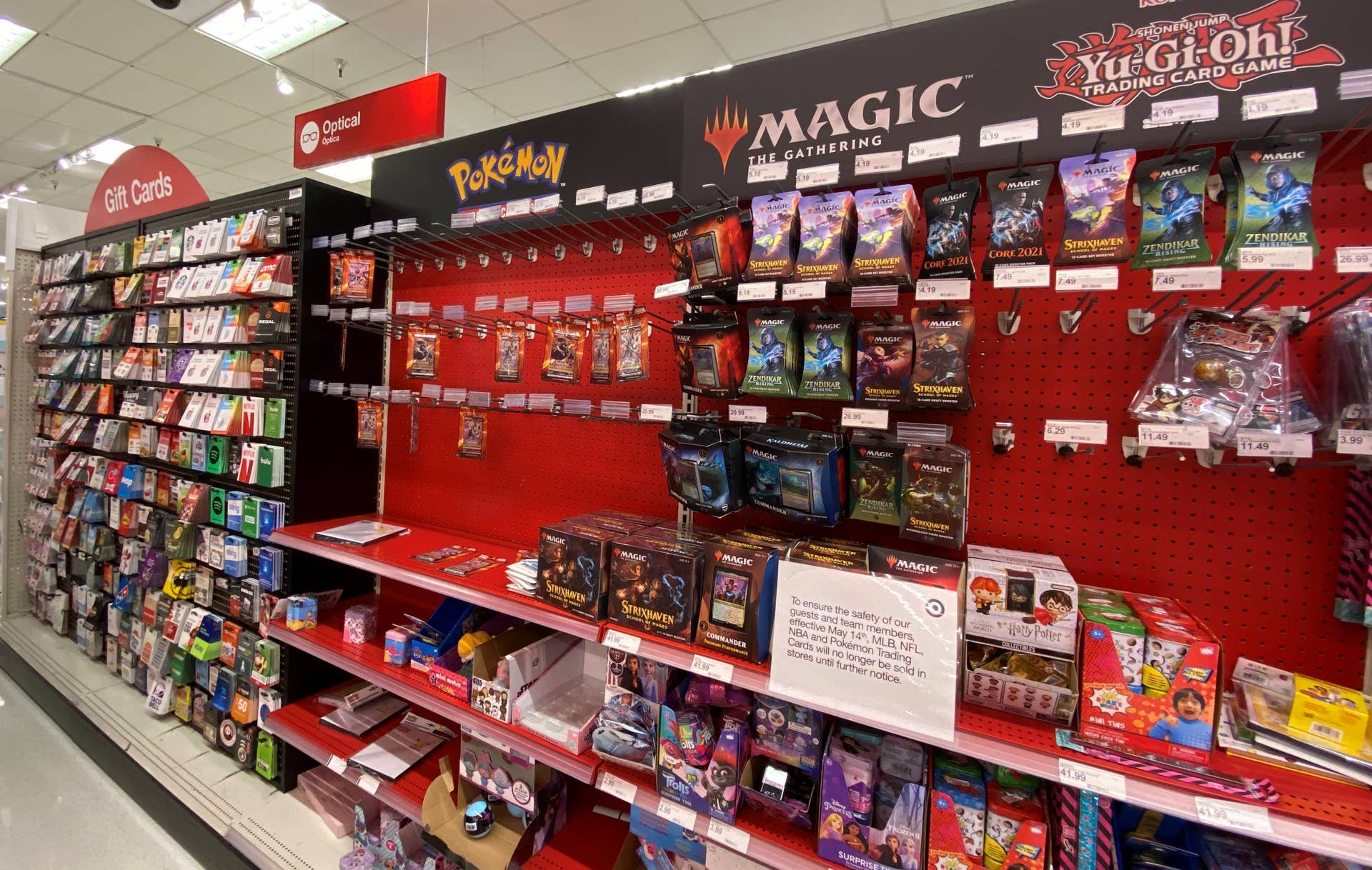 Target’s price cuts, Pokémon drops and Beauty Studio are bringing shoppers back.
Price cuts bring in shoppers. But they also cost money, and so do the new stores, remodels and staff hours that keep those shoppers coming back.
BofA lowered its third-quarter earnings estimate by 9 cents to $2.08 a share. It pointed to a lower gross margin and higher spending on selling, general, and administrative costs, or SG&A.
The analysts warned that Target has “limited SG&A flexibility” compared with rivals. It needs to keep investing to make the comeback stick.
The one-time boost hiding in this year’s profit
Here’s the part of the bear case most shoppers will never see.
BofA expects Target to earn $10.46 a share this fiscal year. But that includes a one-time gain. Target booked $994 million in tariff refunds in the second quarter, which added $1.65 to earnings per share, the company said.
More on Target:
- Target has a problem that sends shoppers to Amazon
- Walmart, Target, Dollar General make noticeable changes to stores
- Target reinvents its $3 billion home brand
BofA expects earnings to fall to $9.40 a share next year, about 10% lower. That’s below the $9.65 Wall Street consensus.
By my math, though, the drop is mostly about that refund. Strip it out, and Target would earn about $8.81 a share this year. BofA’s $9.40 forecast would then imply roughly 7% growth.
That’s healthy, but it’s not enough to justify today’s price, in BofA’s view.
How the stock looks at $158
Target shares stood at $158.41 as of the date of the note. BofA nudged its price objective up to $141 from $140, based on 15 times next year’s earnings.
By my math, that target implies about 11% downside. At today’s price, the stock trades at nearly 17 times BofA’s estimate for next year.
The analysts see the stock reaching “crossroads of decelerating sales trends” as Target laps this year’s gains. They also flagged rising freight costs and heavier promotions across retail.
Not every category is a worry. Food and beverage, the biggest at 23% of sales, has beaten the market, the note said.
Apparel is the weak spot. It makes up 15% of sales, and BofA said “Walmart is a more credible competitor today vs 5 yrs ago.”
The toys and collectibles business, which Target calls Fun 101, is another one to watch. BofA worries new customer growth could slow if trading card demand cools.
For income investors, there’s some cushion. BofA expects Target to pay $4.59 a share in dividends this year, or about $29 a year for every $1,000 invested at today’s price, by my math.
What to watch in Target’s holiday quarter
The next test comes when Target reports third-quarter results later this month.
BofA said any “signs that the early holiday selling season is off to a strong start” would help support the stock’s valuation.
For shoppers, the setup is good. Target is fighting for your holiday budget with price cuts and exclusives, and its price match guarantee is back.
For investors, BofA’s take is simpler. The comeback is already priced in, and next year’s earnings have a high bar to clear.
Related: Target brings back a holiday benefit that protects shoppers
