
Americans hoping for lasting relief from the high prices of steaks, ground beef, and other meat products may have to wait longer.
The nation’s cattle shortage has pushed beef prices higher, forced meat processors to close facilities and increasingly changed the economics of what ends up in supermarket meat cases.
One of the companies at the center of that disruption is Tyson Foods, the meatpacking giant behind Tyson chicken, Jimmy Dean breakfast products, Hillshire Farm, Ball Park and Wright Brand.
After shutting down multiple meat-processing facilities and eliminating thousands of jobs, Tyson is now preparing to restore a second production shift at one of its major beef plants.
The company expects to “fully reopen the second production shift” at its Amarillo, Texas, facility by summer 2027, supported by a planned long-term partnership with American rancher consortium Allied Beef Company.
The move comes as Tyson’s latest earnings reveal how the beef shortage continues to reshape its business, and why lasting relief from high meat prices remains uncertain for consumers.
According to the USDA’s Food Price Outlook, average beef and veal prices are projected to rise 8.7% in 2026 compared with 2025, significantly outpacing the expected 2.3% increase in overall grocery prices.
Meanwhile, poultry prices are forecast to rise just 1.2%.
Tyson Foods reverses part of its beef production pullback
Tyson’s decision to bring back a second shift in Amarillo marks the next stage of a sweeping restructuring that earlier eliminated thousands of jobs across its beef-processing network.
In November 2025, Tyson announced plans to close its Lexington, Nebraska, beef plant, which employed approximately 3,200 workers and had the capacity to process roughly 5,000 cattle daily. The plant ultimately closed in January 2026, leaving one-third of the community unemployed.
More Retail:
- Struggling home goods chain closing more stores
- Verizon makes changes to be more like T-Mobile used to be
- Home Depot drops generous offers as customers grow harder to win
Tyson also eliminated the second shift at Amarillo, affecting roughly 1,700 workers. The company subsequently announced additional shutdowns in August 2026.
As TheStreet previously reported, the closures of Tyson’s beef-processing facility in Joslin, Illinois, and case-ready meat facility in Eagle Mountain, Utah, together affected approximately 3,200 employees.
Tyson also announced plans to sell its beef facility in Pasco, Washington. The company was still considering a sale when it reported earnings on Nov. 16.
Now, the meat producer is reorganizing its beef business around three major facilities:
- Dakota City, Nebraska
- Holcomb, Kansas
- Amarillo, Texas
Although Tyson first outlined plans to restore the Amarillo shift in August, its November 9 announcement provided a more concrete timeline and details of the proposed rancher partnership.
“The future of our beef business depends on strong partnerships across the supply chain,” Tyson Chief Operating Officer Wes Morris said.
The company said it had already begun restoring selected second-shift operations and expects the shift to be fully operational by summer 2027.
The reopening is expected to increase production and create additional employment opportunities, although Tyson has not specified how many workers it intends to hire.
Tyson’s beef troubles explain why meat remains expensive
Although consumers have been paying historically high prices for beef, meat processors have not necessarily been benefiting.
Tyson’s beef business recorded an adjusted operating loss of $654 million during fiscal 2026, compared with a $275 million loss in the previous year.
The problem is that a shortage of cattle has driven up the cost of purchasing animals for processing, even as meat prices have risen.
Tyson’s average beef selling prices increased approximately 10% on an adjusted basis during fiscal 2026, while its adjusted beef sales volume declined 12.2%, according to its earnings report.
These figures reflect Tyson’s sales to customers, rather than price changes paid directly by shoppers at grocery stores.
In fact, recent retail data paints a more complicated picture.
Beef and veal prices declined 1% in September before increasing 0.9% in October, according to seasonally adjusted Bureau of Labor Statistics data.
Some wholesale beef prices have also eased recently, as TheStreet reported. Other meat products have experienced more substantial price declines.
As TheStreet previously reported in its coverage of Smithfield Foods, the average retail price of sliced bacon declined to $6.76 per pound in September 2026 from $7.29 a year earlier, according to federal price data.
Bank of America analysts also found that wholesale pork belly values had fallen 44% year over year, while ham values declined 18%.
The contrasting trends underscore how differently beef and pork markets are performing. While pork producers are contending with weaker prices for certain cuts, beef processors continue to struggle with limited cattle supplies and elevated costs.
And while short-term declines in beef prices may provide some relief, they do not necessarily signal an end to the broader supply shortage.
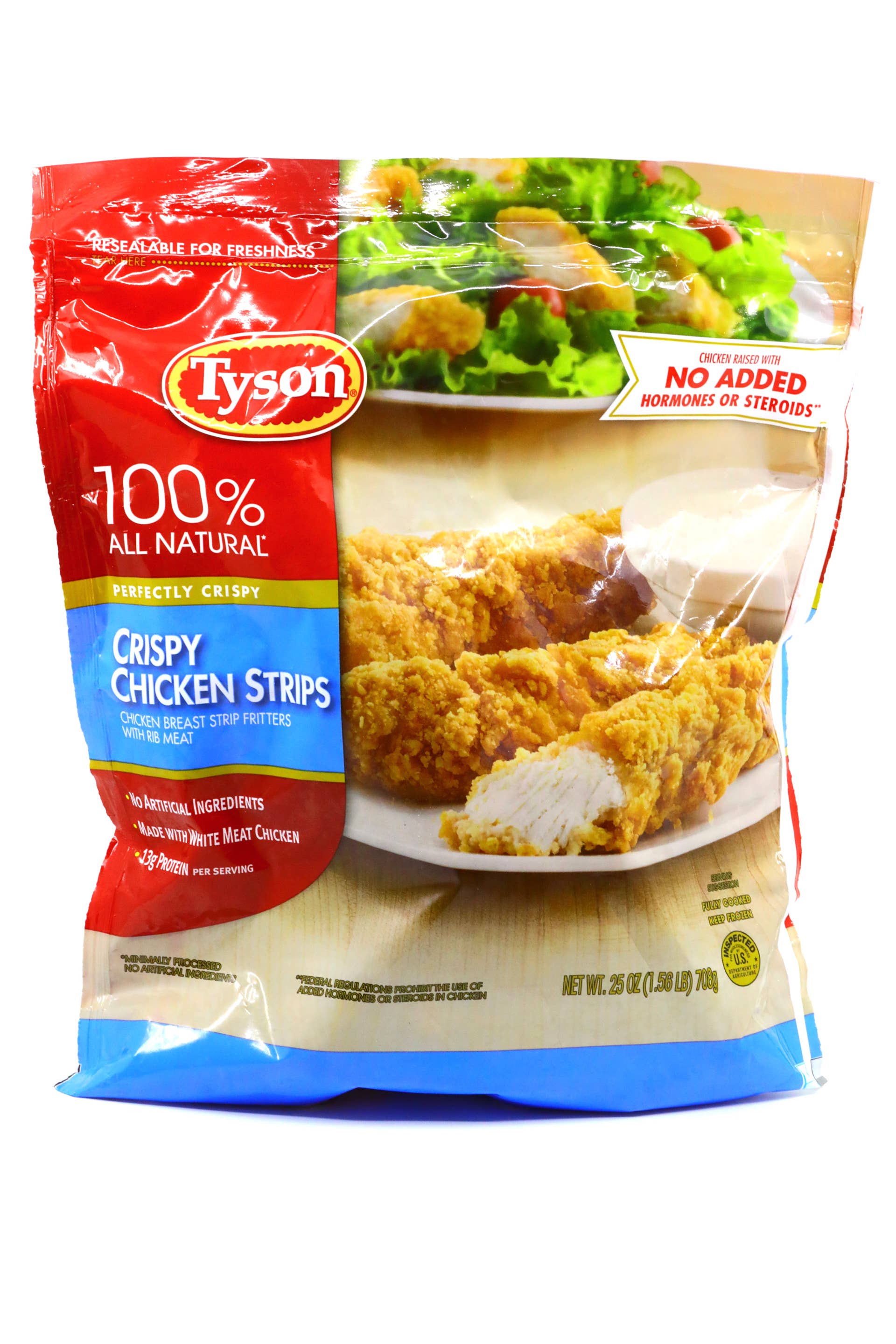 Tyson Foods is betting on Chicken.
Americans are buying beef despite high prices
Tyson executives see encouraging signs in Americans’ continued appetite for beef.
During the earnings call, Morris said that “the consumer resiliency and their willingness to pay for beef has been very encouraging.”
Consumers have continued buying beef despite years of price increases, and there is little indication that the underlying shortage will disappear quickly.
The USDA expects domestic beef production to decline approximately 2% during Tyson’s fiscal 2027, according to the company’s earnings outlook.
The agency’s Nov. 17 livestock outlook also indicated that cattle slaughter would remain constrained through 2027, despite improved expectations for cattle imports from Mexico.
Tyson expects its beef division to generate anywhere from a $300 million adjusted operating loss to a $100 million adjusted operating profit in fiscal 2027.
That wide range underscores the uncertainty surrounding the industry’s recovery.
Bank of America Global Research, in a Nov. 17 note reviewed by TheStreet, said Tyson’s reduced beef-processing footprint could improve profitability through “higher utilization and better fixed-cost absorption.”
However, the bank does not expect Tyson’s beef operations to return to positive annual operating income until fiscal 2028.
The outlook could improve if more cattle become available. Bank of America noted that reopening the Mexican cattle border could potentially add approximately 800,000 animals to U.S. supply.
But for shoppers, improved profit margins at meat processors do not automatically translate into lower supermarket prices. Retailers’ pricing decisions, cattle availability and wholesale beef costs will all influence what consumers ultimately pay.
Tyson chicken is the next bet
While Tyson has been shrinking its beef-processing footprint, it has continued investing over the years in areas where demand and profitability have been stronger.
The company opened a $300 million fully cooked chicken facility in Danville, Virginia, in November 2023.
It was followed by a bacon production facility in Bowling Green, Kentucky, in January 2024, built to produce about two million pounds of Jimmy Dean and Wright Brand bacon products weekly.
Not every prepared-food operation has survived the restructuring. Tyson also announced the closure of a Hillshire Brands facility in Rome, Georgia, earlier this year, affecting 168 workers.
The changes reflect a company increasingly focused on its strongest brands, more efficient factories, and products consumers continue buying despite pressure on household budgets.
Tyson’s chicken business generated approximately $1.86 billion in adjusted segment operating income in fiscal 2026, while Prepared Foods delivered $1.33 billion.
The company expects combined chicken and Prepared Foods sales to increase 3% to 4% in fiscal 2027, even as overall company revenue is forecast to decline 3.5% to 5.5% on a comparable 52-week basis.
Tyson also plans to increase capital spending to between $1.1 billion and $1.4 billion in fiscal 2027, with most of that investment expected to flow toward chicken and Prepared Foods.
However, stronger demand for chicken and packaged foods does not necessarily mean shoppers can expect more discounts.
During Tyson’s earnings call, Morris made the company’s position on pricing clear when discussing Prepared Foods.
“We will not chase share with price,” Morris said. Instead, Tyson plans to support its packaged-food brands through innovation, marketing and merchandising.
CEO Jeff Schomburger made the company’s priorities clear in the earnings announcement: “earn consumer preference and be indispensable to our customers.”
The strategy also includes expanding premium offerings alongside mainstream and value-priced products as Tyson seeks growth from consumers with different budgets.
For households adjusting their weekly grocery spending, chicken and pork remain comparatively affordable alternatives to beef.
The USDA expects pork prices to rise just 1% in 2026, compared with the 8.7% projected increase for beef and veal.
Tyson’s decision to restore production in Texas may eventually help improve the efficiency of its beef business. Whether that translates into relief at the grocery store will depend on how quickly cattle supplies recover and how wholesale costs move through the supply chain.
Related: Bob’s Discount Furniture raises prices as rival adds new charges
