
Bank of America visited major retailers and found that low prices are only part of the battle for shoppers.
If you walk into a Walmart, Target, or Dollar General today, you might notice something different.
For instance, at Walmart, a shelf label can now flash to help you find an item.
Dollar General is expanding its $1 merchandise while experimenting with ways to speed up the shopping process.
Target is leaning into Pokémon and other popular merchandise to get customers excited about visiting stores.
While these might appear to be unrelated changes overall, they are part of a broader shift taking place across American retail.
Consumers continue to look for bargains, but retailers are discovering that price alone may no longer be enough to win their business.
Bank of America analysts recently visited stores in Nashville, Tennessee, operated by 11 major retailers, including Walmart, Target, Costco, Dollar General, and Ollie’s Bargain Outlet.
The report shared with me, titled “2026 Nashville store tours: What did we learn?” offered a closer look at how retailers are responding to increasingly selective shoppers.
“Value remains the dominant consumer message across retail,” BofA analysts wrote.
But what stood out was how differently the retailers are trying to deliver that value, from $1 merchandise and limited-time collectibles to faster delivery and technology that makes stores easier to navigate.
And with rising transportation, fuel, and labor costs putting additional pressure on retailers, these changes could become even more important as we head into 2027.
Walmart is changing how customers find products in stores
Anyone who has spent time searching for a particular item in a Walmart Supercenter will understand the appeal of the retailer’s latest technology.
Walmart has introduced a feature that allows customers to use its app to locate products by activating a flashing LED light on the corresponding digital shelf label.
More Retail:
- Target tackles a frustrating problem for shoppers
- America’s biggest RV seller closing more stores
- Costco helps members solve a key problem, but at a cost
Instead of searching an entire aisle for a particular spice, household product, or grocery item, shoppers can use the light to find it.
The feature, called Shop to Light, is part of Walmart’s broader effort to modernize its stores.
And this is one update I am eager to experience in person because while the app helps locate the aisle, those aisles themselves are too big to navigate.
During BofA’s tour of a remodeled Walmart Supercenter in Franklin, Tennessee, executives demonstrated how the technology could improve the shopping experience.
Management told analysts that Walmart expects its entire store fleet to have digital shelf labels by the end of 2026.
The labels also help employees identify where products belong and locate merchandise for delivery orders.
Walmart explained the technology in a recent company announcement, saying that the goal is to make everyday shopping tasks simpler.
“Technology works best when it takes something that used to require a little more time or effort and makes it simpler,” the company said.
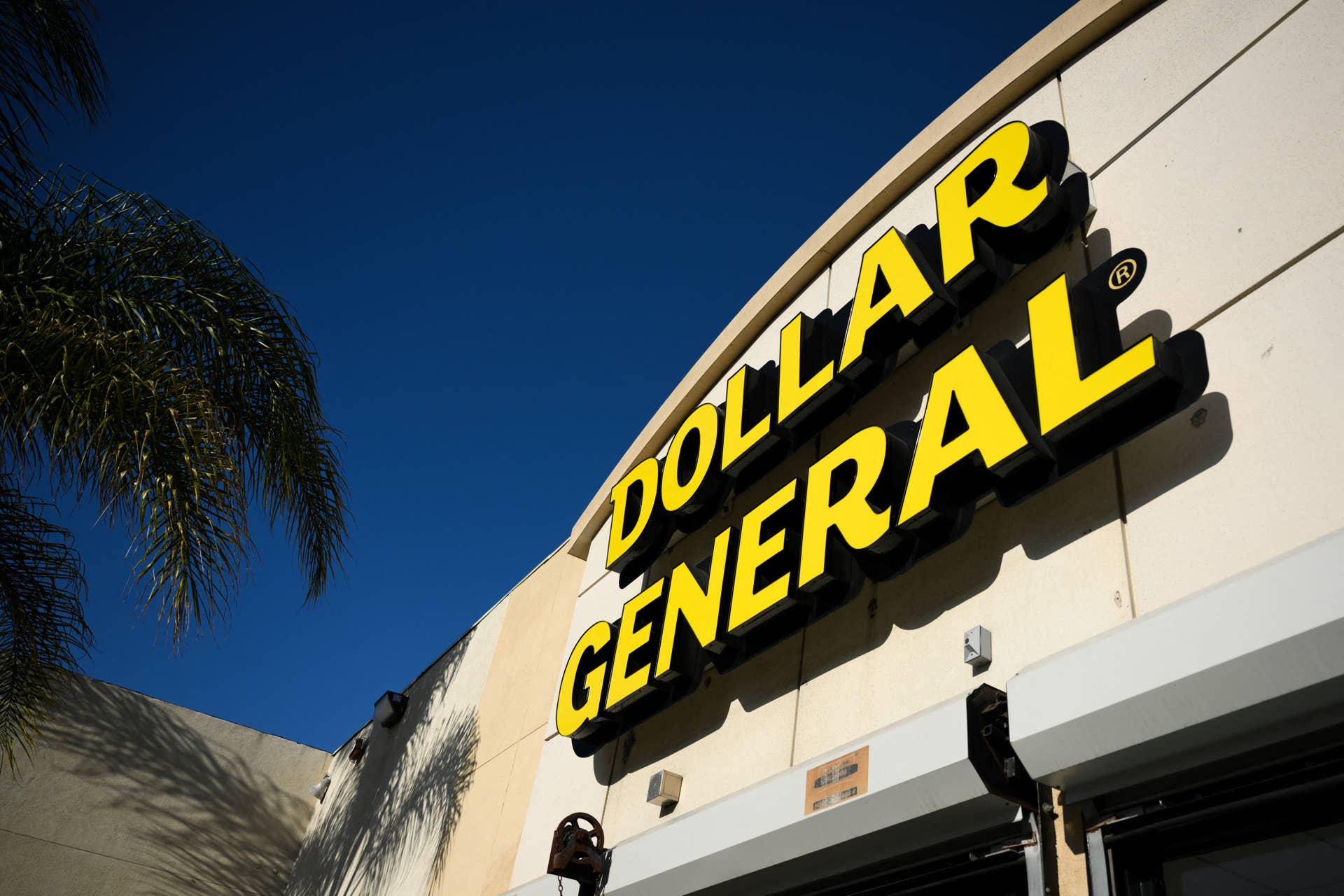 Dollar General to introduce delivery subscription soon.
PATRICK T. FALLON / Getty Images
Target finds that shoppers still spend on certain trends
Target faces a different challenge.
The retailer has long relied on its reputation for affordable fashion, stylish home merchandise, and products that customers discover while browsing.
But its latest results suggest shoppers are becoming more selective about where they spend.
According to BofA, Target’s Fun 101 business, which includes toys, collectibles, and other hardlines merchandise, delivered 12% sales growth in the first half of 2026.
Also read: TJMaxx, Marshalls appear to have a customer problem
Pokémon has been a particularly successful category.
During the Nashville store tour, analysts observed a dedicated Pokémon section and reported strong demand for the merchandise.
Target is now building on that momentum with additional launches and its Fan Shop initiative.
The strategy reflects something important about today’s consumers.
They may be cautious about spending on furniture, clothing, or other discretionary purchases, but popular collectibles, entertainment merchandise, and affordable gifts can still encourage purchases.
Target’s October holiday toy announcements reinforce that approach.
The retailer said its 2026 assortment includes more than 1,000 toys priced below $10, while its expanded digital holiday catalog features nearly 500 toys, games, and gifts.
But not every department is enjoying the same momentum.
BofA said Target’s apparel and home businesses will likely take longer to turn around, partly because merchandise changes require longer lead times.
The analysts maintained their cautious outlook on Target, citing intense competition and a highly promotional retail environment.
Dollar General has a new strategy for budget shoppers
From Walmart investing in technology and Target focusing more on collectibles and trends, Dollar General is doubling down on a more basic proposition: products that shoppers can afford.
BofA found that the discount chain is continuing to expand its $1 offerings.
Dollar General’s Value Valley section, which features hundreds of rotating $1 products, recorded 16% comparable-sales growth in the second quarter.
These come in especially handy during the holidays, when the shift from fall and Halloween decorations to Christmas lights is so quick that these $1 decor items come in very handy.
Let’s not forget birthday decor, those one-time investments as kids’ interests change more frequently than these seasons.
The company currently carries approximately 2,000 $1 items across an assortment of roughly 10,000 to 12,000 products per store, according to the report.
Dollar General has also seen more customers from middle- and higher-income households shopping at its stores.
This suggests that bargain hunting is no longer limited to consumers with the tightest budgets.
But the company is doing more than adding cheaper merchandise.
A remodeled Dollar General featured more open sightlines and strategic product placement to improve how customers move through the store.
The retailer is also expanding its toy selection, including smaller Lego sets generally priced between $5 and $30.
These products give shoppers an opportunity to make relatively affordable discretionary purchases without committing to larger expenses.
Dollar General is also preparing for another change.
According to BofA, the chain also expects to introduce a delivery subscription program in late 2026.
More than 80% of its delivery orders can already be delivered to customers within an hour, the report said.
The subscription offering could give shoppers another reason to shop at Dollar General regularly rather than visit competing retailers, especially if it comes with rewards or other perks.
Costco and Ollie’s see opportunities as shoppers seek better deals
The shift toward value is also benefiting retailers that operate very different business models.
Costco continues to emphasize inventory availability, seasonal merchandise, and its reputation for competitive pricing.
Also read: Hewlett Packard, Dell have a PC price problem that’s hitting customers hard
During a visit to a Costco warehouse in Brentwood, Tennessee, BofA analysts observed stronger seasonal product availability than during the previous holiday season.
The retailer is also expanding convenience through partnerships with DoorDash and Uber Eats.
BofA expects those services to help Costco capture additional demand from customers who want same-day delivery.
Meanwhile, Ollie’s Bargain Outlet sees opportunities as consumers look for discounted branded merchandise.
The closeout retailer purchases excess inventory and other discounted goods, allowing it to sell recognizable products at lower prices.
BofA said retail bankruptcies and consolidation have helped maintain a strong supply of closeout merchandise.
The analysts also expect Ollie’s to benefit if middle- and higher-income shoppers increasingly shift toward discount retailers.
The company is adjusting its merchandise mix, replacing some slower-moving flooring and carpeting products with furniture and other trend-driven items.
BofA sees potential challenge for retailers in 2027
The push toward value comes at a complicated time.
While retailers are investing in lower prices, store improvements, and delivery services, their own operating costs remain under pressure.
During its discussions with management teams, BofA identified rising transportation, fuel, and labor expenses as continuing concerns.
Companies are trying to offset these costs through more efficient distribution, supplier negotiations, and additional revenue from services such as advertising.
But the bank warned that the fading benefit of tariff-related refunds, combined with persistently elevated gas prices, could create a more difficult profit environment in 2027.
This suggests that maintaining competitive prices while improving convenience could become increasingly challenging.
And what do these changes mean for shoppers?
The competition could mean more affordable product choices, easier shopping experiences, and additional delivery options.
But the bigger question is whether these retailers can continue offering all three as their own costs rise.
Related: Publix plans significant store change customers will soon notice
